Inizia con la mappa del percorso anziché con il livello di allestimento
Gli acquirenti spesso chiedono se Golf cart elettrico classico, Carrello da golf elettrico di tipo A, Carrello da golf di tipo B o Carrello da golf elettrico tipo D is the best electric golf cart line, but the better question is which platform fits the daily route with the least compromise. A cart that feels excellent in a resort arrival lane may be awkward in a narrow service road, while a platform that works well for property staff may not feel refined enough for front-of-house passenger work. That is why a comparison should begin with route width, stop frequency, seating pattern, charger location, and the level of finish the site expects guests or residents to see every day.
The keyword workbook for this site treats seat count, lithium power, and use-case selection as high-value topics, and that buyer behavior makes sense. Most procurement teams are not shopping for a letter label by itself. They are trying to match an electric golf cart platform to a job: hotel guest movement, campus support, community mobility, patrol rounds, event staging, or mixed passenger-and-cargo errands. A high-level category definition from sfondo del carrello da golf aiuta i nuovi arrivati a comprendere la famiglia di prodotti, ma la vera decisione deriva dall'ambiente operativo e dallo standard di servizio che il sito deve mantenere.
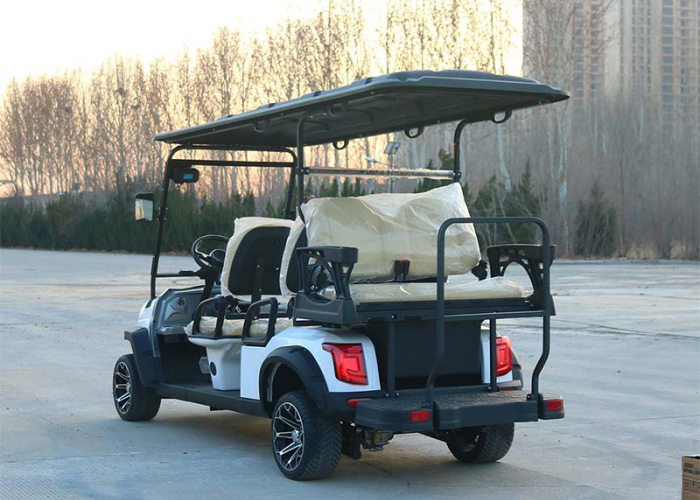
This guide is designed for buyers who want to compare the four product families in a practical way before opening a quote discussion through Richiedi un preventivo or narrowing the shortlist inside Golf cart elettrico Prodotti. It does not assume that one type is universally superior. Instead, it shows how each type can make more sense when the route, passenger pattern, maintenance routine, and visual expectations are clearly defined.
Leggi i tipi di prodotto come segnali di percorso, non come scorciatoie di marketing
Il modo più veloce per abusare di una famiglia di prodotti è trattarla come un'etichetta di stile. In pratica, gli acquirenti dovrebbero leggere le pagine della famiglia come punti di partenza per operare in forma. Golf cart elettrico classico usually appeals to teams that want broad seating flexibility and a straightforward, adaptable platform. B Type Golf cart elettrico often fits practical passenger movement where operators care about daily utility, clean access, and consistent staging. C Type Golf cart elettrico is attractive when the site prioritizes comfortable passenger transport and a polished guest-facing feel. Carrello da golf elettrico tipo D viene spesso preso in considerazione quando l'acquirente desidera un'impressione più premium o una presentazione personalizzata pur mantenendo il carrello utile nel servizio di routine.
That interpretation should still be checked against the actual route. A short, frequent shuttle with many boarding events may reward easier entry and a calm ride more than a long specification list. A property support route may care more about storage, turning room, and how easily staff can clean the cart at shift change. Public references such as Carrello da golf CPSC e guida alla sicurezza LSV E Risorse CDC per la sicurezza dei veicoli a motore ricordare agli acquirenti che le decisioni sui trasporti a bassa velocità sono anche decisioni sulla sicurezza perché la progettazione del percorso, il comportamento dei passeggeri e la visibilità dell’operatore sono tutti fattori che determinano il risultato.
Another useful comparison lens is how the cart will be seen by the people around it. Some routes are mostly back-of-house. Others pass through lobbies, club entrances, villa lanes, or residential commons where appearance matters. When the cart is visible all day, details such as roof proportion, seat finish, side profile, and charging discipline affect the overall impression just as much as acceleration or range. That is why the product family page should be paired with one or two relevant model pages such as VY-A4+2 6 Seat Golf Cart, VY-B4+2 Six Passenger Golf Cart, VY-C6 Six Passenger Golf Carts, or Carrello da golf VY-D4+2 a 6 posti.
| Un tipo | Punto di partenza flessibile per gli acquirenti che bilanciano opzioni di posti a sedere, percorsi pratici e ampio utilizzo della flotta. |
| Tipo B | Adatto per il trasporto pratico di passeggeri, giri di proprietà e percorsi che valorizzano l'utilità quotidiana. |
| Tipo C | Spesso adatto agli spostamenti rivolti agli ospiti, dove il comfort, il flusso di imbarco e la presentazione sono importanti. |
| Tipo D | Utile quando gli acquirenti desiderano un carrello più premium o personalizzato senza perdere l'usabilità di routine. |
A useful comparison exercise is to rank those families against three real site needs instead of one overall preference. First, ask which platform would feel easiest to route through the busiest part of the property. Second, ask which would be simplest to charge and reset every day. Third, ask which one would still look appropriate after a full shift in front of guests, residents, or supervisors. Buyers are often surprised by which family performs best once those questions replace a general impression.
Abbina la piattaforma alla larghezza del percorso, al numero di posti a sedere e alla pressione del traffico
Route geometry should narrow the shortlist quickly. Measure the narrowest turn, the tightest parking return, the boarding area depth, and the distance between charging spaces. A platform that looks modest in a catalog can still feel large once it shares space with guests, parked vehicles, landscaping, or service traffic. Buyers should walk the route at the busiest realistic hour and write down where the driver will need the clearest sight lines and the calmest braking feel.
Seat count belongs in the same conversation. A longer cart can reduce the number of trips, but it also changes turning behavior, storage depth, and the space needed at curbside stops. A property that mostly moves two to four people may be better served by a more compact platform even if the occasional peak trip looks crowded on paper. By contrast, a route that repeatedly carries families, luggage, or guided-tour groups may benefit from a longer passenger platform because it reduces dispatch friction and keeps staff from improvising with two vehicles.
Surface quality matters too. Smooth resort paths, mixed community roads, campus connectors, and park edges ask different things from tires, suspension feel, and how passengers hold themselves during turns. A general legal definition from sfondo del veicolo a bassa velocità o il riepilogo federale dei veicoli a bassa velocità su Guida dei veicoli a bassa velocità NHTSA può aiutare i team a capire dove iniziano le ipotesi sulla strada pubblica, ma la maggior parte degli errori di acquisto su proprietà privata derivano dall'ignorare la struttura del percorso piuttosto che dall'ignorare la velocità massima.
When a route mixes guest movement and staff work, the buyer should also decide whether one platform can serve both tasks without creating awkward compromises. Some sites discover that a polished guest-facing cart becomes inconvenient for utility movement, while a practical support cart feels too plain at the entrance. That is often the moment when comparing Golf Cart Solution, Park and Outdoor Transport Solution, and a shortlist of specific models becomes more useful than asking for one generic electric golf cart recommendation.
La ricarica, il ritmo di manutenzione e la disciplina dell'operatore dovrebbero rompere qualsiasi legame
Once several product families seem viable, the charging routine usually reveals which one is most realistic. Buyers should ask how many carts share the bay, who plugs them in, whether the site uses one long shift or several short shifts, and how quickly the team notices a weak charger or damaged cable. Background reading from Panoramica sulla ricarica di Battery University, Nozioni di base sulla ricarica del DOE statunitense, E Guida OSHA alla ricarica della batteria è utile perché tali fonti fanno sembrare l'area di ricarica parte delle operazioni piuttosto che un ripensamento.
Maintenance discipline matters in the same way. A platform that looks attractive on delivery but is awkward to clean, inspect, or stage may become a daily nuisance. Ask whether staff can check tire condition quickly, whether body panels remain easy to wipe down, and whether the cart returns to the same parking point each night. The easier those routines are, the more likely the fleet will stay presentable and dependable after the first month of use.
This is also where component quality and documentation become more important than broad claims. Buyers should ask for service guidance, charger information, spare-parts availability, and accessory compatibility. References such as Panoramica degli standard ANSI, Standard e impegno UL, E Risorse NFPA per la sicurezza dei veicoli elettrici are useful because they reinforce the idea that disciplined equipment selection and charging practice matter just as much as visible features. A platform choice is stronger when the supplier can explain how the cart will be supported after delivery, not only how it looks in the quote sheet.
If the buyer expects growth, standardization deserves extra weight. A site may start with one family and later add a second role-specific cart, but it still benefits when charger habits, spare parts, and operating checks remain consistent. That makes training simpler and reduces the chance that a mixed fleet turns into a confusing one. It is often the most practical reason to narrow four possible product families down to one or two serious options.
This is also the stage where buyers should ask how the cart will be packed, what service documents arrive with it, which accessories are truly route-specific, and how replacement parts are handled if the fleet expands later. A family that seems interchangeable on a product page can become much easier or harder to own depending on how clearly the supplier explains support after shipment. That support conversation is part of the comparison, not a separate issue for later.
Utilizza una lista di controllo in stile pilota prima di bloccare l'ordine finale
A strong comparison process ends with a pilot mindset. Even if the buyer cannot test every family on site, the team should simulate the route, confirm boarding behavior, define where the cart waits between trips, and decide what the visible finish should look like after a full day of use. Those notes often clarify whether the site needs the adaptability of Golf cart elettrico classico, l'equilibrio pratico del carrello da golf elettrico di tipo B, il comfort incentrato sull'ospite del carrello da golf elettrico di tipo C o la presentazione premium di Carrello da golf elettrico tipo D.
The pilot checklist should include route width, passenger count by trip, charger location, luggage or tool handling, weather exposure, cleaning time, and any must-have accessories. It should also record who owns the decision if a midstream change is proposed. Buyers who document these basics before ordering usually avoid the most common regret, which is discovering that the platform was chosen for appearance or seat count alone rather than for the real service job.
If the comparison still feels close, the best next move is often not another broad internet search. It is a more specific supplier conversation through Contatto Longshengtai or Richiedi un preventivo, supported by a route description and a model shortlist. That changes the discussion from abstract preferences to real operating fit, which is exactly where a good cart decision should be made.
A buyer can make that conversation even more useful by attaching a simple route sheet: daily passenger counts, surface type, steep turns, charger location, visibility expectations, and the names of the two or three models still under review. That level of detail usually exposes whether the choice should favor flexibility, daily utility, passenger polish, or premium presentation. In other words, it reveals which family actually serves the route instead of merely sounding right in a meeting.
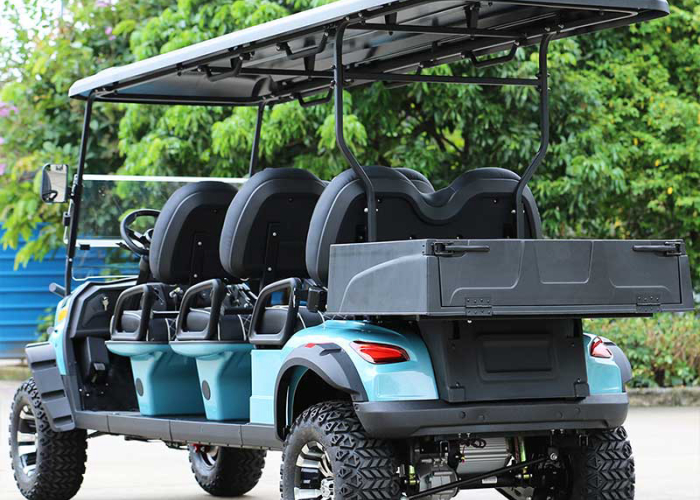
Riferimento video
The video below provides a quick visual reference for one of the product families discussed here. Use it as a viewing aid while comparing route notes, seating needs, and charger planning rather than as a substitute for your own site checklist.
Domande che spesso fanno gli acquirenti
Una famiglia di golf cart elettrici è sempre la migliore per ogni sito?
No. The right family depends on route width, passenger visibility, seat count, charging discipline, and how polished the cart needs to look in service. That is why a route checklist is more reliable than a generic recommendation.
Gli acquirenti dovrebbero confrontare le famiglie prima o dopo aver scelto il numero dei posti?
Do both together. Seat count affects length and turning behavior, while the product family influences comfort, presentation, and how the cart feels in the daily job. Looking at only one of those factors usually hides the real tradeoff.
Qual è il passo successivo più chiaro dopo aver ristretto la rosa dei candidati?
Prepara un riepilogo del percorso, identifica la probabile area di ricarica e richiedi indicazioni specifiche per il modello Richiedi un preventivo. Ciò offre al fornitore un contesto sufficiente per consigliare la piattaforma più realistica invece di tirare a indovinare solo in base a un ampio caso d'uso.
Visualizzazione della decisione finale
Comparing Atype, Btype, Ctype, and Dtype electric golf carts becomes much simpler when the route is visible on paper. Once the team knows who rides, where the cart turns, how it charges, and how polished it needs to look, most of the confusion disappears.
La migliore piattaforma non è quella con il maggior numero di funzionalità isolatamente. È quello che abbina il percorso quotidiano con i minori compromessi e il piano di supporto più chiaro dopo la consegna.