L'acquisto del carrello da campeggio inizia con i modelli di movimento degli ospiti
An electric golf cart for a campground or RV park should be selected around how people move through the property from morning to night. Some parks use carts for guest luggage transfers, check-in support, housekeeping, maintenance, and quiet-hour assistance. Others use them more lightly for cabin rows, event support, and seasonal mobility around long internal roads. A buyer who maps those service moments before comparing Carrello da golf di tipo B, VY-C6 Carrello da golf per sei passeggeri, Carrello da golf VY-C4+2 a sei posti, E Richiedi un preventivo di solito prenderà una decisione migliore rispetto a un acquirente che inizia solo con il conteggio dei posti.
Campgrounds and holiday parks also create a special combination of expectations. Guests want the site to feel calm and friendly, while the operating team needs a vehicle that can handle repeated stops, luggage, supplies, and changing weather. That means comfort, quietness, turning room, and charging discipline all matter at once. Public background from sfondo del carrello da golf aiuta a spiegare la categoria del veicolo, ma l'acquisto reale dovrebbe essere guidato dalle note sul percorso, dai picchi di check-in e dal modo in cui il carrello si inserisce nell'esperienza visibile degli ospiti della struttura.
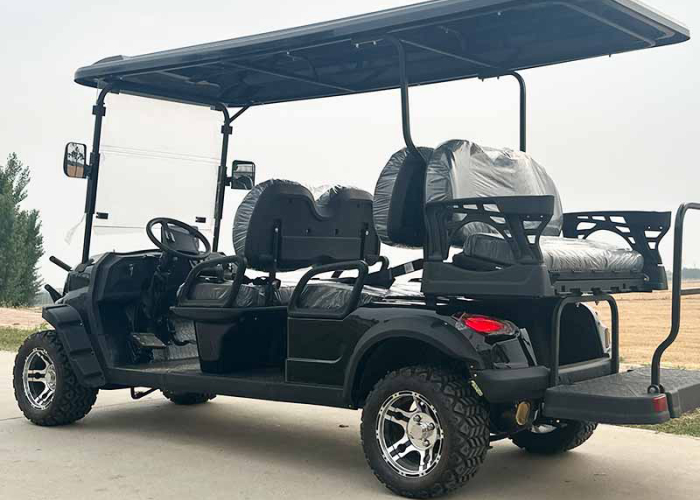
This guide is written for park owners, operations managers, and buyers who want a cart that supports guest service without creating a messy backstage routine. It focuses on practical route planning, quiet-hour behavior, charging layout, and the difference between a vehicle that looks useful in a brochure and one that actually works during a busy arrival weekend.
Separare i percorsi rivolti agli ospiti dai percorsi di pulizia e manutenzione
The first route split usually happens between guest movement and support work. A guest-facing campground cart may carry luggage, welcome materials, or older visitors from reception to cabins or RV rows. A support cart may carry cleaning supplies, light tools, or staff moving between service points. One vehicle can cover both roles, but only if the buyer is honest about how often the cart must switch from visible hospitality use to practical work.
A route map should show reception, cabin clusters, RV loops, washroom blocks, maintenance edges, and the narrowest turn or backing point on the property. Parks with tree cover, decorative bollards, and seasonal crowding often discover that turning behavior matters as much as range. The calmest solution is usually the one that can move through the site without forcing awkward reverses near guests or creating a parking conflict at the reception building.
This is where the more guest-facing feel of C Type Golf cart elettrico can be appealing, especially when the cart is seen near check-in, event lawns, or cabin rows throughout the day. But the right choice still depends on how much mixed-duty work the cart must do. If the park expects one vehicle to help guests in the morning and carry supplies in the afternoon, the buyer should confirm that the trim, seating layout, and cleaning routine can support both uses without making either one awkward. Practical safety reminders from Carrello da golf CPSC e guida alla sicurezza LSV e consapevolezza del percorso condiviso da Risorse CDC per la sicurezza dei veicoli a motore sono utili in questo caso perché i campeggi mescolano pedoni, bambini, biciclette e movimento di servizio più spesso di quanto molti acquirenti si aspettino inizialmente.
| Accoglienza e supporto al check-in | Imbarco facile, sosta tranquilla, spazio per i bagagli, aspetto curato. |
| Trasferimenti in cabina e lodge | Comfort nei viaggi brevi e ripetuti, funzionamento silenzioso, chiara visibilità del percorso. |
| Anelli di supporto per il parcheggio per camper | Spazio di svolta, gamma affidabile, allestimento pratico vicino alle strade di servizio. |
| Pulizie e manutenzioni leggere | Pulizia semplice, conservazione organizzata, routine di restituzione del caricatore chiara. |
It is also worth identifying which stops create the most visible delay. Some parks discover that the real bottleneck is not the drive itself but the time spent loading bags near reception or waiting for one family to settle at a cabin stop. When those moments are clear, the buyer can choose a platform that improves the service flow instead of assuming a larger or more expensive cart will fix the problem automatically.
Le ore tranquille, le abitudini di ricarica e la disciplina del percorso sono importanti ogni giorno
Campgrounds and holiday parks are sensitive to sound because guests notice noise quickly, especially in early mornings and late evenings. Electric carts are attractive for that reason, but quiet operation only helps when the route is managed well. The driver should know where to slow, where to avoid cutting across cabin fronts, and where the cart waits between runs so it does not feel intrusive. Those service habits often matter more to guests than any single specification line in the order sheet.
Il layout di ricarica influisce allo stesso modo sull'esperienza degli ospiti. Il carrello dovrebbe tornare in un luogo dove il personale possa collegarlo facilmente, ispezionarlo rapidamente e tenere i cavi lontani dai marciapiedi pubblici. Riferimenti di fondo come Panoramica sulla ricarica di Battery University, Nozioni di base sulla ricarica del DOE statunitense, E Guida OSHA alla ricarica della batteria are useful because they turn the charging area into part of the operating plan instead of a hidden afterthought. A charger that is technically correct but awkward to reach will eventually cause scheduling problems on busy weekends.
Buyers should also think about seasonal rhythm. Peak summer arrival days, holiday events, and campground checkout windows can create a very different duty cycle from a quiet weekday. If the park only sizes the cart for an average day, the vehicle may struggle when it is most visible. That is why a realistic charging and dispatch plan should be based on the busiest credible service period rather than on a calm operating week that hides the real stress points.
Where weather changes quickly, roof coverage, windshield choice, and the cleaning routine deserve extra attention. A cart that regularly moves through damp grass, muddy shoulders, or dusty internal roads should still be easy to wipe down before it returns to guest-facing service. References such as Risorse NFPA per la sicurezza dei veicoli elettrici, Panoramica degli standard ANSI, E Standard e impegno UL rafforzare il valore di attrezzature disciplinate e scelte di ricarica quando il veicolo viene utilizzato all’aperto in condizioni mutevoli.
Quiet-hour planning deserves equal attention. If the park uses the cart after sunset for guest assistance, restroom checks, or cabin-area support, the route and parking choices should keep the cart helpful without making it feel intrusive. A calm electric platform supports that goal, but only when the team decides where the cart may wait, where it should avoid lingering, and how it returns to charge without crossing sensitive guest areas unnecessarily. If the route touches public-road edges or mixed-access areas, the team should also review the basic low-speed vehicle context at Guida dei veicoli a bassa velocità NHTSA E sfondo del veicolo a bassa velocità prima di finalizzare le regole del sito.
Pensa attentamente ai bagagli, ai gruppi familiari e al ritmo dell'imbarco
Many park buyers focus on nominal passenger count and forget to study how people actually board. A family arriving with coolers, bags, or child gear behaves differently from a resident making a short community trip. The useful question is not only how many seats the cart has. It is how long boarding takes, where the luggage sits, whether the driver can still see clearly, and whether the stop blocks other guests or vehicles during peak arrival times.
This is one reason parks often compare a compact guest-transfer setup with a slightly larger platform. A longer cart may reduce the number of trips, but it also changes parking depth and turning comfort near reception or cabin lanes. Buyers who test that tradeoff in the real environment usually make better decisions than buyers who assume a larger cart is automatically more efficient.
If the property hosts tours, events, or guided movement around a large site, the cart should also be judged by passenger confidence. Handholds, step height, roof coverage, and how smoothly the vehicle starts and stops all shape the guest experience. Public accessibility references such as Guida ai dispositivi di mobilità ADA sono utili promemoria del fatto che le aspettative di mobilità differiscono da ospite a ospite e devono essere tenute in considerazione prima di ordinare il carrello.
The same thinking applies to housekeeping and maintenance passengers. Staff who ride with tools or supplies do not use the cart the same way as guests. If the park expects mixed-duty use, it should define how the cart is cleaned, reset, and staged before it returns to guest view. Otherwise, the most polished cart on delivery can quickly feel disorganized in daily operation.
For parks with longer internal roads, managers should also ask whether one cart will cover the whole property or whether a second cart may eventually be needed near another cluster of cabins or RV pads. Thinking about that future expansion early helps the buyer choose a platform that can be standardized later rather than buying a one-off solution that becomes harder to support as the property grows.
Utilizza un progetto pilota della proprietà per decidere se il carrello si adatta davvero al parco
Before committing to the final configuration, a campground or RV park should walk through a busy arrival period and a quiet-hour period with the same checklist. Confirm the pickup points, the waiting area, the charger return path, and the way the cart moves near cabins, RV pads, or activity zones. That small pilot often reveals whether the chosen platform truly supports the site rhythm or whether another setup would feel calmer and more efficient.
The pilot should also include the staff who will use the cart most often. Front-desk teams may care about luggage handling and guest perception, while maintenance staff may care about route durability and how easy the vehicle is to reset between tasks. Those practical observations help the buyer decide whether the cart should stay mostly guest-facing or whether it needs a more mixed operational role.
Once the property has that route evidence, the supplier discussion becomes much more precise. The buyer can explain peak service windows, cabin or RV row geometry, quiet-hour expectations, and the charging plan instead of requesting a generic park cart. That usually leads to a clearer recommendation through Contatta Longshengtai, Richiedi un preventivoo un confronto tra modelli Blog sul carrello da golf elettrico e le pagine dei prodotti pertinenti.
The strongest quote request is therefore not the one with the longest feature wish list. It is the one that describes the property rhythm clearly: who rides, when traffic spikes, where the cart waits, what it carries, and how quickly it must be cleaned and returned to service. Once that picture is visible, the right campground cart becomes much easier to identify.
This property rhythm should include seasonal edge cases as well. A rainy holiday weekend, a sold-out arrival day, or a late checkout wave can reveal whether the cart still feels easy to manage when the park is busiest. Buyers who account for those moments upfront tend to choose a cart that remains useful through the full season instead of one that only feels comfortable on a calm weekday.
Managers should capture those edge cases in the same document they use for the quote request. When the supplier can see the busiest arrival window, the longest cabin loop, and the most sensitive quiet-hour zone in one place, the recommended cart is far more likely to fit the property from the first season onward.
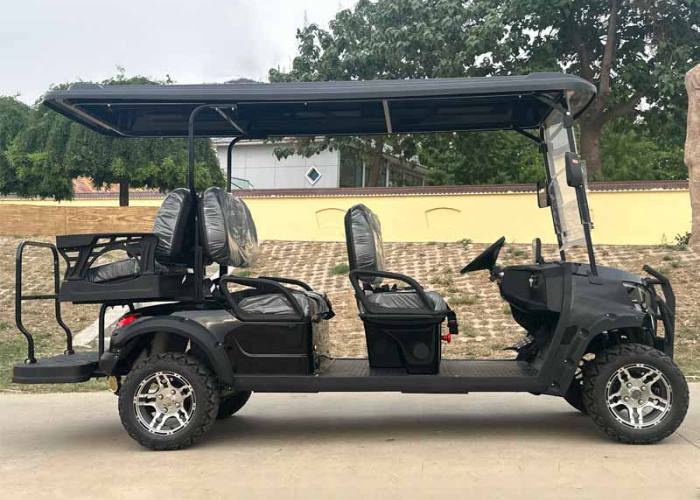
Riferimento video
The video below gives additional visual context for campground-style electric cart use. Watch it together with your route notes so the viewing helps confirm boarding flow, charging habits, and how the cart would move through your own park layout.
Domande che spesso fanno gli acquirenti
Cosa conta di più per un campeggio o un carrello per camper?
Quiet operation, easy boarding, route-friendly turning behavior, a simple charging routine, and a finish that still looks clean during guest-facing service. Those factors tend to matter more than chasing the biggest possible platform.
Un carrello dovrebbe gestire sia i trasferimenti degli ospiti che il lavoro di supporto?
It can, but only when the park has a clear reset routine and the route demands are compatible. Many properties find that the right answer depends on how visible the cart is during guest hours and how often it carries supplies.
Quando è pronto il parco per richiedere un preventivo?
La struttura è pronta una volta che conosce l'orario di servizio più affollato, la probabile posizione del caricatore, i principali punti di imbarco e se il carrello è principalmente rivolto agli ospiti o per servizi misti. Questo è il momento giusto in cui trasferirsi Richiedi un preventivo.
Visualizzazione della decisione finale
Un buon carrello da campeggio sembra naturale all'interno del parco. Supporta il check-in, si muove silenziosamente tra le aree degli ospiti, ritorna alla carica senza problemi e rimane sufficientemente pulito per un servizio visibile dopo un turno impegnativo.
Quando la struttura sceglie il carrello in base a schemi di movimento reali anziché a caratteristiche astratte, il risultato è migliore sia per gli ospiti che per il personale per l'intera stagione.