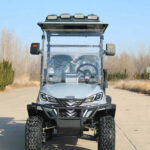
La ricarica estiva necessita di un ritmo di funzionamento diverso
Golf cart hot weather charging is a practical reliability issue for resorts, campuses, parks, communities, warehouses, and outdoor venues. Summer heat can affect driver behavior, room temperature, route length, charging turnaround, and battery stress. A fleet that charges smoothly in mild weather may struggle during high-temperature weeks if carts return hot, rooms have poor airflow, or staff rush charging between busy routes.
The answer is not panic or guesswork. Managers need a simple summer charging plan: shade when possible, ventilation, cooler charging windows, battery observation, route scheduling, cable checks, and daily records. General lithium charging information from Panoramica sulla ricarica di Battery University e le basi di ricarica da Nozioni di base sulla ricarica del DOE statunitense può aiutare i team a capire perché la temperatura e i tempi sono importanti, mentre le istruzioni del fornitore dovrebbero controllare i limiti esatti.
Gli acquirenti scelgono i carrelli da Prodotti per carrelli da golf elettrici lineup should describe summer service honestly. A cart used for short morning errands has a different heat profile from a passenger shuttle running all afternoon. Battery option, charger location, spare unit count, and route schedule should be discussed together.

Spostare la ricarica fuori dalla finestra operativa più calda
If the fleet has a choice, avoid making every cart charge immediately after the hottest route. Let carts cool in a shaded, ventilated area when supplier instructions recommend it, and plan charging windows around actual use. The goal is to finish the day with tomorrow's readiness without forcing staff to plug hot carts into a crowded room at the worst time.
Gli orari di ricarica dovrebbero essere legati alla priorità del percorso. Le navette mattutine, le pattuglie di sicurezza, i percorsi di manutenzione e il trasporto degli ospiti potrebbero non richiedere lo stesso ordine di addebito. UN Carrello da golf motorizzato VY-D4 O Carrello da golf VY-D6+2 a 8 posti utilizzato per lo spostamento dei passeggeri dovrebbe essere pronto prima di un carrello di riserva che gestisce solo commissioni occasionali.
The summer plan should include a reserve unit when service is critical. If every cart is assigned with no buffer, managers may rush charging and ignore warning signs. A backup cart gives staff time to hold a questionable unit instead of pushing it back into service.
Le previsioni meteorologiche dovrebbero far parte della pianificazione della spedizione. Avvisi di caldo, elevata umidità, temporali dopo pomeriggi caldi e affollamento di eventi possono modificare la domanda del percorso. Guida da Guida alla sicurezza contro i fulmini del Servizio meteorologico nazionale E Guida alla sicurezza contro le inondazioni del Servizio meteorologico nazionale non è specifico per la batteria, ma supporta un'abitudine di disponibilità più ampia per le flotte outdoor.
A summer schedule should also protect staff behavior. When drivers feel pressure to keep carts moving continuously, they may skip reporting low reserve or abnormal heat. Build small return windows into the plan so staff have time to park correctly, report concerns, and connect chargers without rushing.
If the property runs tours or guest shuttles, consider rotating carts by route intensity. A cart that handled the hottest afternoon loop may not be the best unit for the first evening route. Rotation gives batteries and chargers a more balanced workload.
| Condizione estiva | Risposta alla ricarica |
| Il carrello ritorna caldo | Parcheggiare all'ombra o in un'area ventilata prima di caricare, se indicato. |
| Picco della domanda pomeridiana | Utilizza la ricarica graduale e le unità di riserva invece di affrettare tutti i carrelli. |
| Sala caricabatterie calda | Controlla il flusso d'aria, la spaziatura, la pulizia e la temperatura della stanza. |
| Riserva bassa ripetuta | Controlla la lunghezza del percorso, il carico dei passeggeri, l'ordine di ricarica e le abitudini del conducente. |
Controllare l'accumulo di calore nell'area di ricarica
The charging area should be inspected during the hottest part of the day, not only in the morning. Check airflow, direct sun, charger spacing, blocked vents, floor clutter, and whether staff have placed boxes or cleaning tools around chargers. EV safety resources from Risorse NFPA per la sicurezza dei veicoli elettrici e guida alla sicurezza elettrica da Guida alla sicurezza elettrica dell'OSHA sostenere l’abitudine di mantenere gli spazi di ricarica controllati e visibili.
A charger room that works in spring may become uncomfortable in July. If the room traps heat, the fleet may need improved ventilation, different staging, fewer simultaneous charge cycles, or a better housekeeping rule. Managers should not wait for a failure before noticing that the room is too hot for staff to work in comfortably.
Cable condition also matters in heat. Staff should look for softened jackets, loose plugs, bent pins, damaged strain relief, or cords stretched across hot pavement. A damaged cable should be held, photographed, and removed from use until checked.
IL Accessori per carrelli da golf page is a useful reminder that roofs, windshields, enclosures, and storage choices can influence where carts are parked and how they cool after operation. Accessories are practical only when they support the full daily routine.
The charging area should have a clear abnormal-condition rule. If staff notice unusual heat, odor, swelling, liquid, damaged cable, or repeated warning lights, the cart should be held and reported. Nobody should be rewarded for keeping a questionable cart in service just because the route is busy.
Shade planning matters outside the charger room too. If carts wait in direct sun before charging, the charging area may inherit heat that could have been reduced with better staging. A simple shaded return lane can make the whole routine easier on staff and equipment.
Guarda il comportamento della batteria invece di indovinare
Summer records should track more than whether a cart was plugged in. Record cart ID, return time, route, approximate battery state, charging start time, abnormal heat, warning lights, charger behavior, and next-day readiness. These notes help managers see whether the issue is a battery, route, charger, room, or scheduling problem.
Drivers should report range changes in plain language. For example: cart returned lower than usual after pool route, cart lost power on west hill, or charger indicator changed twice during evening charge. Those comments are more useful than vague statements that the battery is bad. General EV references from Panoramica dei veicoli elettrici del Data Center sui combustibili alternativi E Panoramica dei veicoli elettrici e del caricabatterie del Dipartimento dell'Energia degli Stati Uniti può supportare la pianificazione, ma le note locali spiegano il reale utilizzo della flotta.
Lithium and lead-acid systems may have different handling rules, so do not copy one battery routine across every cart without checking documentation. Follow the supplier's battery instructions, charger label, and maintenance guidance. If the fleet has mixed battery types, label them clearly.
Managers should compare records by cart rather than only by day. If the same cart repeatedly shows low reserve while similar carts on the same route do not, it may need service. If every cart on one route returns low, the route or schedule is the stronger suspect.
Photo records can help when a problem is visible. Take pictures of charger indicators, cable damage, blocked vents, or unusual parking conditions. These small images make supplier conversations and internal reviews much clearer than memory alone.
| Campo di registrazione | Perché aiuta |
| Orario di ritorno | Mostra se i carrelli ritornano durante i picchi di calore. |
| Instrada e carica | Collega l'utilizzo della batteria al ciclo di lavoro reale. |
| Indicatore del caricabatterie | Aiuta a identificare le irregolarità del caricabatterie o della connessione. |
| Mantieni la decisione | Mostra quando il personale ha protetto la flotta invece di affrettare il servizio. |
Modifica percorsi, carichi e abitudini dei conducenti
Hot weather charging problems are not always charger problems. A route may be longer in summer because guest demand rises. A cart may carry more passengers, more luggage, or more supplies. Drivers may use more acceleration to stay on schedule. Managers should review these operating factors before assuming the battery specification is wrong.
Driver training should include summer rules. Avoid unnecessary idling, report low reserve early, return carts on time, park in assigned shade when available, and never ignore abnormal heat or smell. Safety resources from Risorse CDC per la sicurezza dei veicoli a motore e orientamento sul posto di lavoro da Guida OSHA sui dispositivi di protezione individuale sostenere l’idea più ampia che il calore modifica le prestazioni umane e il comportamento delle apparecchiature.
Se un percorso scarica ripetutamente i carrelli più velocemente del previsto, rivedi il programma, aggiungi un cambio di punto intermedio, assegna un'unità di capacità maggiore o dividi il percorso. IL Soluzione per carrello da golf La pagina può aiutare gli acquirenti a collegare la progettazione del percorso, la scelta del veicolo e il supporto operativo prima di aggiungere altri carrelli.
Driver habits should be reviewed without blame. Hard acceleration, unnecessary detours, carrying extra load, and late returns often come from unclear instructions or unrealistic schedules. Correct the operating system first, then retrain individuals when needed.
Summer routes should include comfort stops for passengers and staff where appropriate. A cart that waits in a shaded area while passengers board may use the same vehicle hardware more gently than one staged in direct sun beside a crowded entrance.
Utilizza i dati estivi prima del prossimo acquisto
L’estate è un utile stress test per la flotta. Se le trattenute di addebito, i resi con riserva bassa o i reclami legati al caldo si raggruppano attorno a percorsi specifici, gli acquirenti dovrebbero conservare tali prove per l’ordine successivo. Una richiesta attraverso il Richiedi un preventivo La pagina deve includere la lunghezza del percorso estivo, il carico dei passeggeri, le condizioni della stanza del caricatore, la temperatura di stoccaggio e la pressione di consegna giornaliera.
Le conversazioni sulla garanzia e sull'assistenza sono più forti quando i record sono specifici. Guida generale alla garanzia da Guida alla garanzia FTC supporta la documentazione scritta, ma i fornitori necessitano di dettagli come ID del carrello, ID del caricatore, tempistiche, sintomi, foto e note di manutenzione. Un semplice registro della ricarica estiva può evitare confusione mesi dopo.
A good summer plan is not complicated. It gives carts time and space, keeps the charging room orderly, watches battery behavior, trains drivers, and reviews the hardest routes. That discipline protects fleet reliability when the property is busiest.
At the end of summer, review the hardest month before memories fade. Note which routes needed more reserve, which chargers caused questions, which staff rules worked, and which carts should be specified differently next season. That review becomes the buyer's best planning document.
For expanding fleets, hot-weather data should be shared with the supplier before configuration is finalized. Route length, shade availability, charger room temperature, and daily turnaround pressure help shape a more practical recommendation than model name alone.
Managers should also plan for temporary heat waves. A three-day period of extreme temperature can be handled with earlier charging, reduced afternoon route demand, extra shade staging, and stricter hold rules. Writing that temporary plan in advance keeps staff from improvising when everyone is already busy.
The plan should include communication with users. If guest shuttle frequency is reduced during dangerous heat, staff should know how to explain the change and where passengers can wait comfortably. Reliability is not only about batteries; it is also about setting service expectations clearly.
A short morning review can prevent afternoon trouble. Check the forecast, assign the most reliable carts to the hardest routes, confirm shaded staging, and remind drivers to report low reserve early. Those small steps make the charging plan visible before heat pressure builds.
Se un carrello mostra ripetuti problemi legati al calore, rimuoverlo dal percorso più difficile finché la manutenzione non lo esamina. Proteggere un'unità in anticipo è meglio che perdere diverse rotte in seguito perché la flotta non aveva più riserve.

Riferimento video
Il video seguente è incluso come riferimento visivo per le conversazioni sulla batteria e sulla ricarica. Usalo per strutturare la formazione del personale, quindi applica le istruzioni di temperatura e ricarica del fornitore per l'esatto sistema di batterie.
Domande che spesso fanno gli acquirenti
Un carrello da golf elettrico caldo dovrebbe essere caricato immediatamente?
Seguire le istruzioni della batteria del fornitore. In molte routine della flotta, è sensato evitare di portare un carrello molto caldo in un'area di ricarica affollata e utilizzare l'ombra, la ventilazione e l'osservazione prima della ricarica.
Qual è il più grande errore di ricarica estiva?
L’errore comune è considerare la ricarica come lo stesso compito tutto l’anno. Il servizio estivo potrebbe richiedere una modifica degli orari, del flusso d'aria, dei carrelli di riserva, dei rapporti degli autisti e della revisione del percorso.
Come possono i manager capire se il caldo influisce sull’affidabilità della flotta?
Confronta tempi di restituzione, percorsi, stato della batteria, segnali di avvertimento, comportamento del caricabatterie, temperatura ambiente e reclami. I modelli su più giorni sono più utili di un rapporto isolato.
Pianificazione dei premi per il clima caldo
L’affidabilità della ricarica estiva deriva dalla routine: allestimento più fresco, regole chiare per la sala di ricarica, reporting degli autisti e invio consapevole del percorso. Piccole abitudini fanno una differenza visibile quando la domanda di servizi è elevata.
Per gli acquirenti e i gestori delle flotte, il momento migliore per migliorare il piano è prima che arrivi la settimana più calda. Controlla subito la stanza, il percorso, il caricatore e il registro e sarà più facile fidarsi dei carrelli di domani.