Inhaltsverzeichnis
The use of golf carts has traditionally been limited to golf courses, but in recent years, a growing trend has emerged: communities where golf carts serve as a primary mode of transportation. These areas are transforming the way people live, interact, and move around residential spaces. In this article, we’ll explore the benefits and challenges of such communities, including their impact on daily life, environmental sustainability, and local regulations.
Was sind Golfwagen-Communitys?
Golf cart communities refer to residential areas where golf carts are legally used for transportation within the community. These communities typically have specific infrastructure, such as designated cart paths, that allows residents to use their carts for short-distance travel, running errands, or accessing local amenities. This unique transportation option is growing in popularity, particularly in retirement communities and areas with warm climates, like Florida and Arizona.
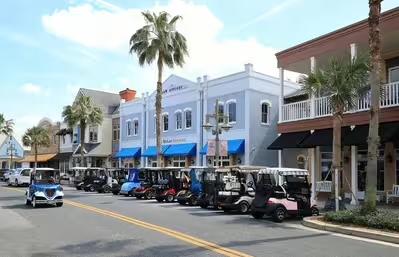
Das Konzept der Golfwagen-Gemeinschaften bietet den Bewohnern eine gemütlichere, umweltfreundlichere und kostengünstigere Möglichkeit, sich innerhalb ihrer Nachbarschaft fortzubewegen.
Die Vorteile von Golfwagen-Gemeinschaften
Das Leben in einer Golfwagen-Gemeinschaft bietet mehrere Vorteile, darunter:
1. Nachhaltigkeit: Golfwagen sind umweltfreundlicher als herkömmliche Fahrzeuge und verursachen weniger Emissionen. Dies ist besonders wichtig in Gemeinden, die ein umweltfreundliches Leben fördern möchten.
2.Gesundheit und Wohlbefinden: Golfwagen fördern das Gehen, Radfahren und Outdoor-Aktivitäten und tragen so zu einem gesünderen Lebensstil der Bewohner bei.
3.Kostengünstiger Transport: Golfwagen sind im Betrieb und in der Wartung günstiger als Autos, was sie zu einer attraktiven Option für Rentner oder diejenigen macht, die ihre Transportkosten senken möchten.
4. Bequemlichkeit: Die Bewohner können problemlos lokale Annehmlichkeiten wie Lebensmittelgeschäfte, Postämter oder Freizeiteinrichtungen erreichen, ohne ein Auto zu benötigen.
In Golfwagen-GemeinschaftenDiese Vorteile werden noch deutlicher, da die Bewohner ihre Einkaufswagen in ihre täglichen Abläufe integrieren können, wodurch die Abhängigkeit von herkömmlichen Fahrzeugen verringert wird.
Rechtliche Überlegungen für Golfwagen-Gemeinschaften
While golf cart communities offer many benefits, there are several legal aspects to consider. Most states have specific regulations governing the use of golf carts on public roads. For example, Florida, known for its large number of golf cart communities, has specific laws allowing golf carts to be used on roads with speed limits of 35 mph or less. In contrast, some states may restrict the use of golf carts to private property or specific neighborhoods with designated cart paths.
Before moving to or establishing a golf cart community, it’s important to check local regulations and ensure compliance with state and federal laws. Issues such as insurance, licensing, and road safety must be addressed to ensure that residents can use their golf carts legally and safely.
Einige Gemeinden verlangen möglicherweise auch, dass Golfwagen bestimmte Sicherheitsstandards erfüllen, z. B. Scheinwerfer, Blinker und Sicherheitsgurte, insbesondere wenn die Wagen auf öffentlichen Straßen verwendet werden.
Wie Golfwagen-Gemeinschaften Stadtteile verändern
The rise of golf cart communities is reshaping how people think about transportation. In places like The Villages in Florida, golf carts are not just a convenience but a way of life. Residents of these communities often prefer to use their golf carts for daily errands and social gatherings, fostering a sense of community.
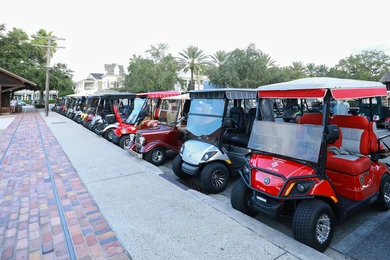
By reducing reliance on cars, golf cart communities promote a slower, more relaxed pace of life. They also encourage social interactions among neighbors, as residents are more likely to cross paths when traveling by cart. This fosters a strong sense of community and enhances the overall living experience.
Herausforderungen und Nachteile von Golfwagen-Gemeinschaften
Despite the many benefits, there are some challenges associated with these communities. One of the main concerns is safety, as golf carts are slower and less visible than cars, making them potentially hazardous when used on public roads. Additionally, the infrastructure required to support such communities, such as dedicated paths and charging stations, can be expensive for developers to implement.
Darüber hinaus sind möglicherweise nicht alle Bewohner mit der Idee zufrieden, Golfwagen für den täglichen Transport zu nutzen. Manche bevorzugen vielleicht den Komfort eines Autos, insbesondere bei längeren Fahrten oder bei schlechtem Wetter.
Golfwagen-Gemeinschaften in den USA
These types of communities are primarily found in warm climates, particularly in states like Florida, Arizona, and California. These areas, which cater to retirees and those looking for a slower pace of life, are ideal for golf cart use. In fact, Florida is home to some of the largest and most well-known communities, such as The Villages and Sun City, where golf carts are the primary mode of transportation.
Auch in anderen Bundesstaaten nimmt das Wachstum von Golfwagen-Gemeinschaften zu, insbesondere in Vorstadtgebieten, wo die Bewohner nach umweltfreundlichen und erschwinglichen Alternativen zu herkömmlichen Fahrzeugen suchen.
Abschluss
In conclusion, golf cart communities are becoming a popular and viable option for those looking to reduce their environmental impact, lower transportation costs, and foster a sense of community. As the trend continues to grow, it’s important for potential residents and developers to understand both the benefits and legal requirements associated with living in or building a golf cart community.
By ensuring proper infrastructure and following state regulations, golf cart communities can provide a unique and enjoyable living experience. If you’re considering joining one of these communities, it’s essential to explore the local laws and community guidelines to make the most of this growing trend.
Bitte erfahren Sie mehr über Golfwagen klicken Sie hier.