
When you start researching the golf cart cost for your home, business, or golf course, the initial sticker price is often just the tip of the iceberg. In 2026, the market has shifted significantly due to the universal adoption of lithium technology and new street-legal regulations.
Understanding the full financial commitment requires moving beyond the MSRP. This guide analyzes the total investment required to own and operate a vehicle in today’s economy, helping you avoid the “hidden” expenses that often surprise first-time buyers.
Inhaltsverzeichnis
Die Basis: Erstkaufpreise 2026
The average price of a new golf cart 2026 has stabilized after years of supply chain volatility, but it remains higher than pre-2020 levels. Generally, you can categorize the market into three price tiers based on performance and features.
For a basic utility or fleet-style cart, expect to pay between $9,000 and $11,500. These models are typically stripped-down, focusing on durability rather than comfort. As you move into the residential and family category, the golf cart cost climbs to the $13,000 – $18,000 range. These carts often feature enhanced suspension, upgraded seating, and integrated infotainment systems.
The high-end “Luxury” segment now frequently exceeds $22,000. These vehicles are essentially small cars, featuring automotive-grade paint, premium sound systems, and high-output AC motors. Several custom golf cart pricing factors—such as lifted chassis, specialized wheel packages, and bespoke upholstery—can easily push the final bill toward the $30,000 mark.
Der Gebrauchtmarkt: Navigieren durch die Abschreibungskurve
If a new model is outside your budget, the used market offers an alternative, though it comes with risks. The used vs new golf cart price gap has narrowed in 2026 because lithium-powered used carts hold their value much better than older lead-acid models.
A three-year-old high-quality cart currently retains about 70% to 75% of its original value. This is a significant shift from the historical golf cart depreciation rate per year, which used to be much steeper. When buying used, the primary concern is the remaining life of the powertrain. A used cart with a failing battery pack is not a bargain; it is a pending $3,000 expense.
Die Energiequelle: Batterien und langfristige Einsparungen
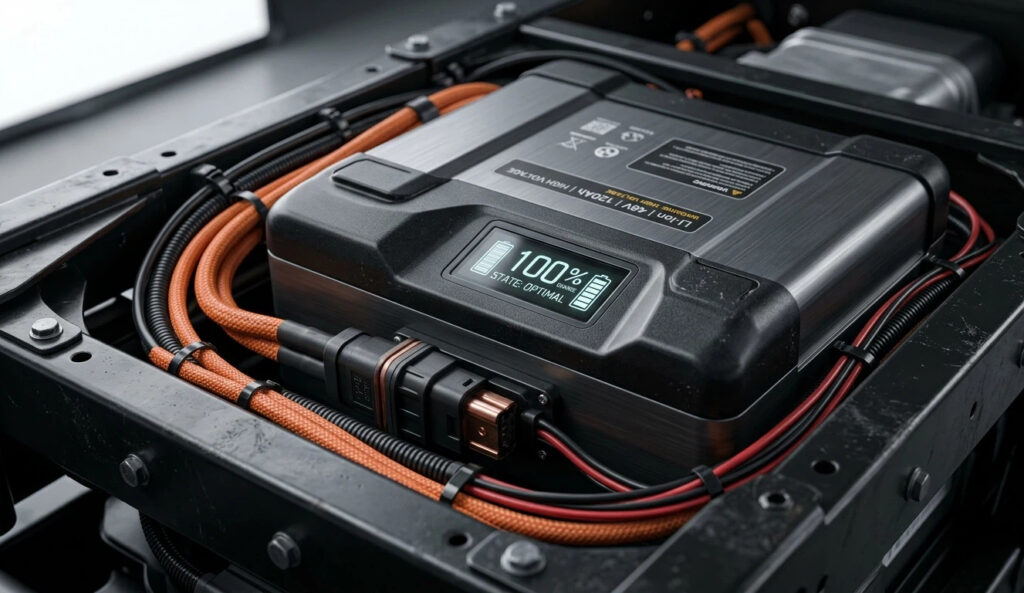
The most critical component of the golf cart cost is the battery system. In 2026, lead-acid batteries are almost exclusively found in the ultra-budget or legacy used market. Lithium-ion (LiFePO4) is the current industry standard.
When calculating your budget, the golf cart battery replacement cost lithium vs lead-acid is a “pay now or pay later” scenario. A lithium pack may add $2,500 to the initial price, but it lasts 10 years and requires zero maintenance. Conversely, a lead-acid set costs about $1,000 to $1,500 but must be replaced every 3 to 5 years and requires monthly watering and terminal cleaning.
Da Lithiumbatterien leichter sind, reduzieren sie die Belastung des Motors und der Federung, wodurch die Sekundärkosten des Golfwagens, die mit mechanischem Verschleiß verbunden sind, weiter gesenkt werden.
Betriebs- und Wartungskosten
Once the cart is in your garage, the ongoing expenses begin. Fortunately, for electric models, the electric golf cart charging cost per year is remarkably low. Depending on local utility rates, most users spend less than $100 annually on electricity for daily neighborhood use.
Gas-powered models are becoming rarer but remain popular for large properties or off-road use. However, you must account for gas golf cart fuel consumption and maintenance. Beyond the fluctuating price of gasoline, these carts require oil changes, air filter replacements, and drive belt inspections—tasks that do not exist for electric owners.
Analyse der Gesamtbetriebskosten (TCO).
Um die Kosten eines Golfwagens wirklich zu verstehen, müssen wir einen 5-Jahres-Besitzhorizont betrachten. Dazu gehören der Kaufpreis, die Energie, die Wartung und der voraussichtliche Wiederverkaufswert.
Die folgende Tabelle vergleicht einen standardmäßigen Elektro-Lithium-Wagen mit einem herkömmlichen gasbetriebenen Wagen basierend auf durchschnittlichen Daten aus dem Jahr 2026.
| Kostenkomponente (5-Jahres-Zeitraum) | Elektrisch (Lithium-Ionen) | Gas (interne Verbrennung) |
| Erster Kaufpreis | $15,500 | $14,000 |
| Treibstoff-/Energiekosten | $450 | $2,200 |
| Geplante Wartung | $200 | $1,100 |
| Größere Reparaturen / Batterie | $0 | $600 |
| Voraussichtlicher Wiederverkaufswert | ($11,000) | ($7,500) |
| Netto-5-Jahres-Gesamtkosten | $5,150 | $10,400 |
As shown in this golf cart total cost of ownership (TCO) analysis, the electric model is significantly more economical over time despite the higher upfront price. The higher resale value and lower energy costs make it the smarter financial move for most consumers.
Straßenrechtliche Anforderungen und versteckte Gebühren
Wenn Sie planen, auf öffentlichen Straßen zu fahren, erhöhen sich aufgrund von Compliance-Anforderungen die Kosten für den Golfwagen. Die meisten Kommunen verlangen ein „Fahrzeug mit niedriger Geschwindigkeit“ (LSV) Bezeichnung.
Abschluss
Investing in a vehicle today requires a clear understanding of the golf cart cost beyond the showroom floor. By prioritizing lithium technology and calculating the total cost of ownership (TCO), you can ensure that your purchase provides value for years to come. Whether you are looking for a basic utility vehicle or a high-end luxury cruiser, the smart money is on efficiency and durability.
FAQ
Was ist der größte Faktor bei den Kosten eines Golfwagens?
Der Batterietyp ist der wichtigste Faktor. Die Lithium-Ionen-Technologie erhöht den Anschaffungspreis, senkt aber die 10-Jahres-Gesamtbetriebskosten drastisch.
Ist es im Jahr 2026 günstiger, Gas oder Strom zu kaufen?
Während der Kauf von Benzinkarren zunächst etwas günstiger ist, ist der Besitz von Elektrokarren aufgrund der geringeren Kraftstoff- und Wartungskosten weitaus günstiger.
Wie viel sollte ich für die jährliche Wartung einplanen?
Für einen modernen Elektrowagen sollten Sie etwa 100–150 US-Dollar pro Jahr für Reifen und allgemeine Inspektionen einplanen. Für einen Benzinwagen sollten Sie zwischen 250 und 400 US-Dollar einplanen.
Beeinflusst die Versicherung die Kosten für den Golfwagen?
Ja, wenn Sie es auf öffentlichen Straßen nutzen. Für LSVs ist eine Versicherung obligatorisch und kostet normalerweise zwischen 15 und 40 US-Dollar pro Monat.