Un carrello da golf esposto all’acqua dovrebbe essere isolato prima che qualcuno pensi di caricarlo
Stormwater, standing water, wash-down overspray, and flooded storage areas create a category of problem that many fleets underestimate. An electric golf cart may still look usable after water exposure, especially if the body panels and seats seem fine, but the real risk often sits in connectors, charging equipment, brakes, wheel bearings, underbody wiring, and the judgment of staff who are eager to get the route moving again. The safest first step is to remove the cart from normal dispatch, label it clearly, and direct supervisors to the written inspection process. Seasonal weather guidance from Guida alla sicurezza contro le inondazioni del Servizio meteorologico nazionale è ampia, ma rafforza l’abitudine di trattare l’esposizione alle inondazioni come un problema di sistema, non come un inconveniente estetico.
This issue matters across guest shuttles, maintenance routes, communities, and parks because water exposure does not always come from a dramatic flood. It can come from a poorly drained charger room, a washed cart returned to service too quickly, a muddy service lane, or a storage row that sat in pooled water overnight. Once a cart is soaked or even partly immersed, the fleet should stop guessing. Public safety information from Carrello da golf CPSC e guida alla sicurezza LSV e disciplina operativa incentrata sulle apparecchiature da Carrello da golf elettrico tipo D la pianificazione porta entrambi alla stessa conclusione: non premiare l'apparente funzionamento a breve termine con un rilascio affrettato in servizio.
The checklist below is designed for supervisors and maintenance coordinators who need a practical first response. It covers isolation, documentation, drying, inspection sequencing, charger control, and release criteria. It does not replace the manufacturer’s service instructions, but it helps a site avoid the two worst reactions: plugging the cart in too soon or pretending the problem is solved because the cart still moves. General electrical caution from Guida alla sicurezza elettrica dell'OSHA dovrebbe inquadrare l'intero processo, e il Prodotti per carrelli da golf elettrici è utile solo dopo che il sito ha stabilito quale unità è veramente sicura da ispezionare o restituire.
Etichettare il carrello fuori servizio e documentare l'evento di esposizione
The first job is isolation, not diagnosis. Move the cart to a controlled area only if that move can be made safely without charging it or pushing it deeper into a wet environment. Add a visible hold tag that states why the cart is out of service, who found it, and when the exposure likely happened. Drivers should not be allowed to remove the tag because they think the cart only got a little wet. A short photo record of the tires, floor area, connector points, seat base, and charger location will help later when the team is deciding how much water contact actually occurred.
Documentation should capture the route context as well as the cart condition. Did the unit pass through standing water, sit in a flooded bay overnight, get sprayed during wash-down, or return from a storm route with water pooled near the pedal area? Those details matter because they shape which parts are most likely to need inspection or replacement. A site that keeps brief incident notes on the Blog sul carrello da golf elettrico Il lato del suo processo operativo interno di solito impara più velocemente dalla ripetizione degli eventi meteorologici perché il supervisore successivo può confrontare le condizioni invece di partire dalla memoria. Costruire abitudini di sicurezza nei trasporti da Risorse CDC per la sicurezza dei veicoli a motore supporta la stessa dipendenza dai record invece che dalle ipotesi.
Supervisors should also record who last drove the cart and whether any warning signs appeared before the unit was tagged. Weak braking, unusual noises, intermittent power, or charger errors can mean the exposure affected more than one system. If the cart was already overdue for service, the water event may have exposed a vulnerability rather than created it from scratch. A clean incident note makes that easier to sort out later.
| Cosa registrare prima | Perché è importante |
| Da dove veniva l'acqua | Aiuta a definire se l'esposizione è stata dovuta a immersione, schizzi, dilavamento o allagamento durante lo stoccaggio. |
| Profondità e durata approssimative | Guida l'ambito dell'asciugatura e dell'ispezione del sottoscocca. |
| Chi ha riscontrato il problema | Crea responsabilità per il follow-up e le decisioni di rilascio. |
| Eventuali avvisi visibili prima dell'isolamento | Aiuta a separare i difetti preesistenti dagli effetti legati all'acqua. |
Blocca la ricarica e controlla il percorso di ricarica prima di ogni altra cosa
One of the most important rules in flood recovery is simple: do not plug in the cart until qualified inspection says it is appropriate. Staff under schedule pressure often think charging is a harmless way to test whether the cart survived, but that impulse can turn a hidden moisture problem into a larger electrical failure. Charger plugs, outlets, connectors, and battery-area access points should be treated as part of the incident scene. Battery charging guidance from Guida OSHA alla ricarica della batteria è utile in questo caso perché rafforza la necessità di condizioni di ricarica controllate piuttosto che di comportamenti di recupero improvvisati.
The charging path deserves its own inspection because the water source may not be limited to the cart. A low outlet, wet extension practice, muddy bay floor, or damaged charger cable may have contributed to the problem or may still be unsafe for the next unit parked in the same area. If there is any question about outlet condition or conductor exposure, the supervisor should escalate instead of trying a quick restart. General charging background from Panoramica sulla ricarica di Battery University può aiutare a spiegare perché restituire corrente a un sistema umido o discutibile è la prima mossa sbagliata.
This is also the point to review whether site layout contributed to the event. If carts repeatedly come back wet because the charger row floods in ordinary rain, the site has an infrastructure problem as much as a vehicle problem. Linking the recovery checklist to the Soluzione per carrello da golf la conversazione ha senso solo dopo che il team ha separato il danno specifico del carrello dal guasto della sala di ricarica o del drenaggio.
Asciugare e ispezionare il carrello in una sequenza deliberata
After isolation and charger control, the team should dry the cart systematically instead of wiping only the obvious surfaces. Focus first on the floor area, battery compartment access points, seat bases, pedal area, storage bins, under-seat cavities, cargo box hinges where applicable, and any low points where water can pool unnoticed. Fans and absorbent materials can help, but forced drying is not the same as inspection. The goal is to expose trapped moisture and identify which systems require closer attention before the cart is considered for service.
Mechanical systems deserve attention alongside electrical ones. Brakes, wheel bearings, steering joints, and moving linkages can all change behavior after water exposure, especially when grit or flood residue is involved. A cart that drives normally across a short yard may still have reduced braking confidence or accelerated corrosion risk. Electrical safety context from Panoramica dei veicoli elettrici e del caricabatterie del Dipartimento dell'Energia degli Stati Uniti e panoramiche pubbliche dei veicoli elettrici da Panoramica dei veicoli elettrici del Data Center sui combustibili alternativi sono generali, ma supportano la lezione più ampia secondo cui gli eventi idrici dovrebbero essere valutati sistema per sistema piuttosto che trattati come un singolo test sì o no.
Supervisors should also inspect accessories and add-ons because water often settles in the details: switches, light housings, accessory connectors, and storage compartments. If the cart uses custom covers, curtains, or bins from the Accessori per carrelli da golf lato della gamma di prodotti, tali componenti devono essere rimossi o aperti sufficientemente per un'ispezione adeguata. L'umidità nascosta è una delle ragioni principali per cui un carrello appare in buone condizioni al mattino ma sviluppa problemi nel corso della giornata.
Definire criteri di rilascio invece di testare per uso occasionale
A cart should return to service only when the site has a written reason to trust it. That means the hold tag was reviewed, the exposure was documented, charging controls were respected, the affected systems were inspected, and the supervisor or technician agreed on the release level. Some carts may be cleared for light-duty observation first, while others should stay offline until a fuller technical review is completed. The worst approach is to hand keys to the next available driver and say use it carefully. Safety rules from Guida alla sicurezza NHTSA TireWise è importante in questo caso perché pneumatici, freni o sterzo compromessi possono trasformare molto rapidamente un percorso a bassa velocità in un problema di fiducia dei passeggeri.
Release criteria should include route limits. Even if the cart seems stable after inspection, the first assignment should not be the steepest hill, the longest shuttle, or the busiest guest loop. A controlled observation route gives the site a better chance to hear new noises, feel braking changes, and confirm that charging behavior remains normal afterward. Broader fire and battery readiness thinking from Risorse NFPA per la sicurezza dei veicoli elettrici sostiene quel cauto primo ritorno piuttosto che un salto a pieno titolo.
If the site cannot define release criteria clearly, the safer answer is to keep the cart held. That may feel inconvenient during a busy week, but it is still better than sending a questionable unit onto a route and creating a second incident. The checklist should make it easy for supervisors to choose patience over pressure.
| Domanda di rilascio | Aspettativa minima prima che il tag venga rimosso |
| È stato controllato il percorso del caricabatterie? | Non deve essere applicata alcuna alimentazione finché il caricabatterie, la presa e il percorso di connessione non vengono liberati. |
| I sistemi interessati sono stati ispezionati? | L'area della batteria, i freni, lo sterzo e i connettori visibili dovrebbero essere rivisti. |
| Il primo percorso è controllato? | Rientro attraverso un circuito di osservazione a basso rischio prima del servizio completo. |
| La decisione di rilascio è documentata? | Il sito dovrebbe sapere chi ha approvato la restituzione e entro quali limiti. |
Utilizza l'evento per migliorare il drenaggio, le regole di lavaggio e la disciplina del percorso
A flood recovery checklist should end with prevention work, not only repair work. If the cart was exposed because the charger area drains poorly, because staff washed the unit aggressively around connectors, or because a route crosses a low point that floods every storm, the site should change the condition that caused the event. Weather escalation guidance from Guida alla sicurezza contro i fulmini del Servizio meteorologico nazionale non riguarda solo il fulmine stesso; rafforza inoltre l’importanza di interrompere le operazioni abbastanza presto da evitare che i carri vengano spinti in condizioni di deterioramento per un ultimo viaggio.
Prevention may involve simple changes: moving chargers higher, marking do-not-enter wet areas, adjusting wash-down procedure, improving bay housekeeping, or assigning an alternate storm route. It may also require a deeper layout review or new signage. These are exactly the kinds of decisions that should feed into future purchasing or layout requests through Richiedi un preventivo, perché un problema idrico ripetuto è spesso un problema di pianificazione mascherato da sfortuna.
The strongest fleets treat every water event as data. Which route flooded, which bay drained poorly, which staff member noticed the issue first, and which inspection step took too long? Those answers help the next response happen faster and more safely. A recovery checklist does not eliminate rain or wash-down needs, but it does keep the site from turning a wet cart into a preventable electrical or passenger-safety failure.
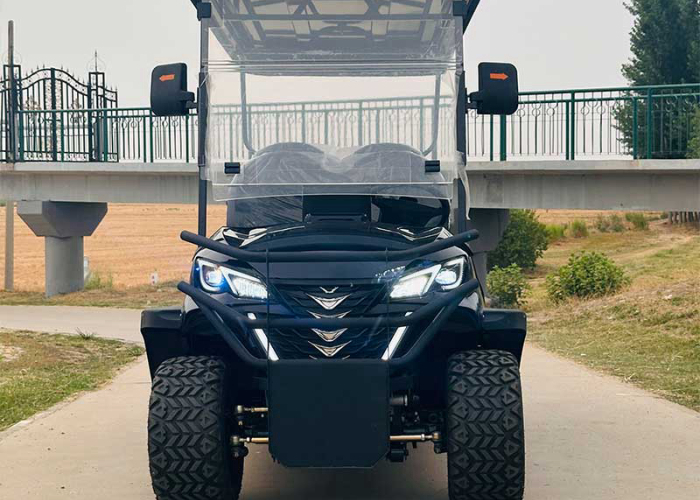
Riferimento video
The video below is included as a practical reference for golf cart inspection and care after abnormal operating conditions. Use it to support discussion, then follow the manufacturer’s own service instructions for any water-exposed unit.
Domande che spesso fanno gli acquirenti
È possibile caricare un carrello da golf elettrico subito dopo che si è asciugato all'esterno?
No. La secchezza esteriore non è sufficiente. Il percorso del caricabatterie, i connettori e i sistemi interessati devono essere prima ispezionati in modo che il sito non utilizzi la ricarica come un rischioso test per tentativi ed errori.
Cosa succede se il carrello continua a funzionare normalmente dopo l'esposizione all'acqua?
Il movimento normale non dimostra che il carrello è pronto. Umidità nascosta, problemi ai freni, danni ai connettori e contaminazione possono manifestarsi in seguito, quindi il processo di ispezione e rilascio scritto è ancora importante.
Qual è l’errore più comune nel recupero dalle inondazioni?
L'errore più comune è rimettere in servizio il carrello perché il percorso è occupato, soprattutto collegandolo o inviandolo direttamente su un percorso passeggeri a pieno carico senza ispezione controllata.
Trattare l'esposizione all'acqua come un evento operativo, non cosmetico
Il recupero delle inondazioni del carrello da golf elettrico funziona meglio quando il sito rallenta abbastanza a lungo da isolare il carrello, proteggere il percorso di ricarica, ispezionare i sistemi corretti e documentare la decisione di rilascio.
Questa disciplina protegge sia le attrezzature che i passeggeri perché impedisce che l’umidità nascosta o i cambi di freno diventino il problema del percorso di domani.
La lista di controllo per il recupero più utile è quella che migliora anche la proprietà in seguito modificando il drenaggio, le regole di lavaggio, le abitudini di conservazione o le scelte del percorso che hanno reso probabile l'esposizione.
Quando un sito gestisce bene la prima decisione “bagnata”, ogni evento meteorologico successivo diventa più facile da gestire con meno congetture e meno rischi legati alla pressione.