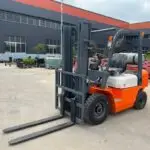
In industrial and construction environments, efficiency and reliability are key factors that ensure smooth operations. One crucial piece of machinery that plays a significant role in these sectors is the heavy duty forklift. These robust machines are designed to handle the most demanding tasks, whether it’s moving large materials on construction sites, stacking heavy pallets in warehouses, or transporting heavy-duty equipment across rough terrain. Among the various types of forklifts available, heavy duty forklifts powered by diesel engines are increasingly popular due to their superior power, durability, and cost-effectiveness.
Inhaltsverzeichnis
Die wachsende Nachfrage nach Schwerlaststaplern für industrielle Anwendungen
As industries grow and modernize, the need for high-performance machinery to handle heavy lifting tasks becomes even more pronounced. Heavy duty forklifts are indispensable in various sectors such as construction, logistics, and manufacturing. They are specifically designed to lift and move heavy materials that standard forklifts cannot handle.
In construction environments, for example, lifting and transporting massive concrete blocks, steel beams, and heavy machinery is a regular task. In warehouses, heavy duty forklifts help organize large volumes of stock efficiently. These machines are not just tools—they are integral to maintaining the flow of operations across multiple industries.
Die Rolle leistungsstarker Motoren in Hochleistungsanwendungen
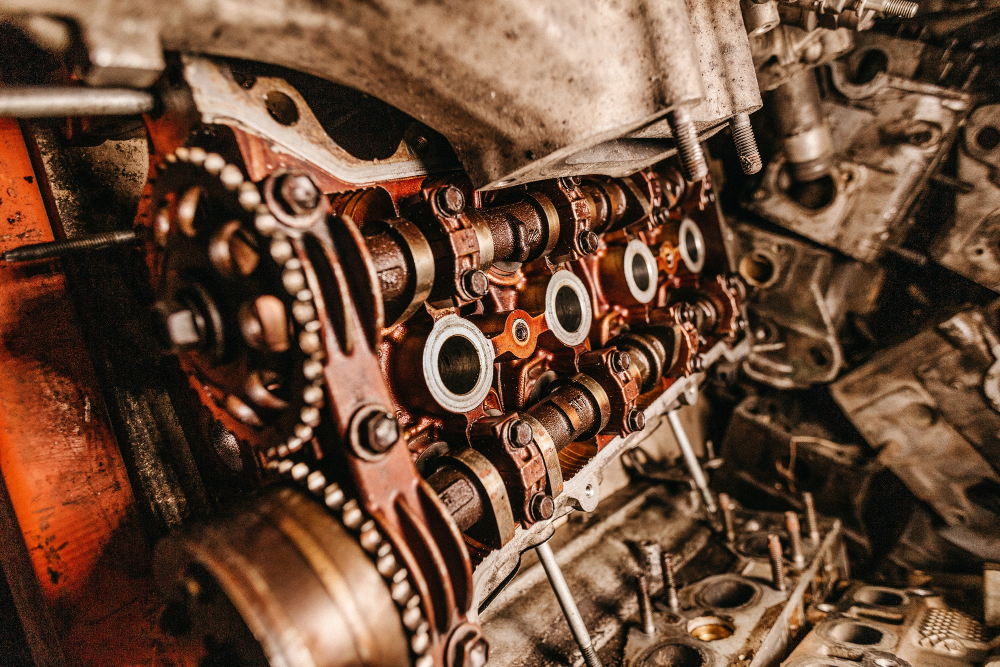
What sets a heavy duty forklift apart from other forklifts is its engine. These forklifts are typically equipped with powerful diesel engines that provide the necessary torque to handle significant loads. Diesel engines are known for their strength and durability, making them the ideal choice for environments where high lifting capacity and continuous operation are required.
Unlike electric forklifts, which may have limited runtime and require frequent recharging, a heavy duty forklift powered by a diesel engine can run for extended hours without interruption. This makes them perfect for construction sites and large manufacturing plants, where non-stop operation is often necessary.
Hauptvorteile dieselbetriebener Schwerlaststapler
1.Unübertroffene Haltbarkeit und Zuverlässigkeit
One of the most significant advantages of a diesel-powered heavy duty forklift is its durability. These machines are built to withstand harsh environments, such as extreme temperatures, rough terrain, and high-intensity tasks. On construction sites, where forklifts must navigate uneven surfaces and carry heavy loads, the durability of a diesel engine ensures long-term reliability.
For instance, heavy duty forklifts equipped with diesel engines can operate in wet or muddy conditions where electric models might struggle. Their robust design and engine strength allow them to perform efficiently, even in the toughest conditions.
2.Hohe Kraftstoffeffizienz für langfristige Kosteneinsparungen
Ein weiterer überzeugender Grund für die Wahl eines Dieselmotors Schwerlaststapler is its fuel efficiency. Diesel engines are known for their impressive fuel economy, which translates to lower operational costs. Since these forklifts are capable of running for longer periods without refueling, they are a cost-effective option in industries that require continuous material handling.
In large warehouses and distribution centers, where forklifts are used all day, this efficiency can result in significant savings. Moreover, the power of the diesel engine ensures that the forklift can perform heavy lifting tasks without compromising speed or effectiveness, reducing the need for additional machines.
3. Anpassungsfähigkeit an raue Bedingungen
Schwerlaststapler mit Dieselmotor überzeugen in anspruchsvollen Umgebungen, in denen andere Gabelstapler möglicherweise scheitern. Ob Baustelle mit losem Kies oder Lagerhalle mit schmalen Gängen, Diesel-Gabelstapler bieten die Stabilität und Kraft, die zum Navigieren in unebenem Gelände erforderlich sind. Ihre Fähigkeit, auf unebenen Oberflächen zu arbeiten und große Lasten zu tragen, macht sie zu einem vielseitigen und unverzichtbaren Werkzeug in vielen Branchen.
Kosteneffizienz von Dieselstaplern im Schwerlastbetrieb
When considering the total cost of ownership, heavy duty forklifts offer considerable value for businesses. Although they may have a higher initial purchase price compared to electric forklifts, the long-term benefits outweigh the costs. Diesel-powered models are designed for longevity, requiring fewer repairs and less maintenance over their lifespan.
Additionally, their higher fuel efficiency means that businesses save money on fuel consumption, especially in large-scale operations where forklifts are constantly in use. In industries like construction and logistics, where the demand for heavy lifting is constant, investing in a diesel-powered heavy duty forklift ensures a higher return on investment (ROI).
Praxisnahe Anwendungen dieselbetriebener Schwerlaststapler
1.Baustellen
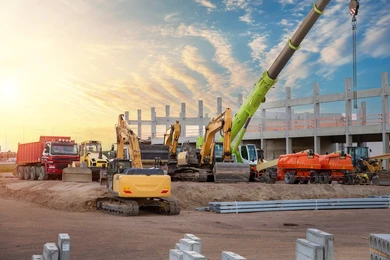
On construction sites, heavy duty forklifts are essential for moving large materials like steel beams, concrete blocks, and equipment. These forklifts often need to work in harsh conditions, such as uneven ground and narrow spaces, which require machines that are tough and adaptable. Diesel-powered forklifts provide the necessary power and durability to handle the heavy lifting and challenging environments typical in the construction industry.
2.Lagerung und Fertigung
In large warehouses and manufacturing facilities, where high productivity is crucial, heavy duty forklifts enable quick and efficient material handling. They are especially useful in storing and moving heavy pallets of products or raw materials. The powerful diesel engine ensures that the forklift can handle the weight of the load while maintaining speed and reliability.
Technologische Fortschritte und Umweltaspekte
While diesel-powered heavy duty forklifts have historically been known for their fuel consumption and emissions, modern advancements in engine technology have significantly improved their environmental footprint. Today’s diesel engines are designed to meet stringent environmental regulations, reducing harmful emissions while maintaining powerful performance.
Zum Beispiel, Diesel-Gabelstapler equipped with Tier 4 Final engines meet the latest standards for air quality, ensuring they are both environmentally friendly and highly efficient. These technological innovations allow businesses to continue benefiting from the strength and reliability of diesel engines without sacrificing environmental responsibility.
Abschluss
In conclusion, heavy duty forklifts powered by diesel engines offer numerous advantages, including durability, fuel efficiency, and the ability to handle tough conditions. These forklifts are essential in industries such as construction, warehousing, and manufacturing, where heavy lifting and continuous operation are required. Despite their higher initial cost, the long-term savings and performance benefits make them a smart investment for businesses looking to boost productivity and reduce operational costs.