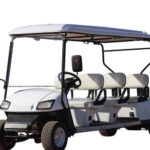
Una flotta è un piccolo sistema di trasporto
An electric golf cart fleet is more than several vehicles parked together. It is a system of routes, chargers, drivers, passengers, storage spaces, accessories, and service habits. A resort, campus, park, factory, or residential community can buy good carts and still struggle if dispatch is unclear or charging bays are crowded. The planning should begin with the movement problem, then connect that problem to the right products on Prodotti per carrelli da golf elettrici.
Before adding vehicles, map where people need to go, when demand peaks, which trips carry cargo, and which routes create the most waiting. A guest shuttle fleet may peak around check-in and event times. A maintenance fleet may peak before opening hours. A security fleet may need steady availability all day. General background on carts from sfondo del carrello da golf è utile, ma il modello di traffico del sito dovrebbe guidare la specifica.

Pianifica la ricarica prima che la flotta cresca
Charging layout becomes a daily operational issue as soon as more than one cart shares the same space. Each cart needs a predictable parking position, safe cord routing, weather protection, and a clear way to show whether it is ready, charging, or waiting for service. Broader charging infrastructure concepts from Nozioni di base sulla ricarica del Dipartimento dell'Energia degli Stati Uniti può aiutare i manager a pensare oltre il singolo caricabatterie fornito con un veicolo.
Le regole relative alla batteria e al caricabatterie dovrebbero essere scritte. Il personale dovrebbe sapere chi può collegare i carrelli, come segnalare un guasto del caricabatterie, dove vanno i cavi danneggiati e quale caricabatterie appartiene a quale sistema di batterie. OSHA Guida OSHA alla ricarica della batteria fornisce utili principi relativi all'area di ricarica, mentre Panoramica sulla ricarica agli ioni di litio di Battery University fornisce informazioni generali sulla ricarica del litio. Queste fonti dovrebbero supportare, non sostituire, le istruzioni del produttore.
Charging areas also affect guest experience. Cords across walkways, carts blocking exits, or service vehicles mixed with guest pickup points make a site look disorganized. The cart storage plan should be connected to route design and the public-facing transport plan on Soluzione per parchi e trasporti all'aperto.
Le regole di spedizione riducono la confusione
A fleet needs a simple dispatch rule: which cart is used first, who checks it out, where keys or controls are managed, and how defects are reported. Without that rule, drivers take the nearest cart, weak batteries are discovered mid-route, and service problems become rumors. The handover should include battery state, tire appearance, brake feel, lights, horn, mirrors, steering, and visible body damage.
Drivers should also understand passenger behavior. Carts used for guest service need smooth acceleration, calm stops, and clear pickup points. Carts used for maintenance need load discipline and secure storage. Carts used near pedestrians need slow speeds and route awareness. The Informazioni sulla sicurezza dei veicoli a bassa velocità CPSC La pagina sulla sicurezza rafforza il motivo per cui le operazioni a bassa velocità necessitano ancora di formazione e regole.
| Trasferimento ospiti | Posti puliti, percorso regolare, punti di raccolta chiari, funzionamento silenzioso. |
| Manutenzione | Piano di carico, pneumatici durevoli, facile pulizia, strumenti sicuri. |
| Sicurezza | Illuminazione, specchi, raggio d'azione, tempi prevedibili. |
| Eventi | Segnaletica provvisoria, separazione del traffico, comunicazione del personale, riserva di ricarica. |
La progettazione del percorso è una decisione di sicurezza
Route design should reduce conflict before it happens. Mark pickup points, avoid blind corners, separate carts from heavy pedestrian flow where possible, and define slow zones. If the route approaches a public road, managers should review the difference between a golf cart and a low-speed vehicle. Use Guida dei veicoli a bassa velocità NHTSA E 49 CFR 571.500 come sfondo federale, quindi confermare le regole locali prima di consentire il funzionamento su strada.
L'utilizzo della strada influisce anche sulla scelta dell'equipaggiamento. Specchi, illuminazione, catarifrangenti, freni di stazionamento, limiti di velocità, cinture di sicurezza ove richieste e requisiti di identificazione non vengono ripensati. Il generale definizione di veicolo a bassa velocità può aiutare il personale non tecnico a comprendere il concetto, ma la politica del sito dovrebbe essere basata su indicazioni legali e dei fornitori effettive.
Walking surfaces matter too. A cart fleet often shares space with pedestrians, luggage carts, service staff, and event crowds. Managers should review bumps, drainage, curb cuts, narrow turns, and blind landscaping. OSHA’s Guida OSHA sulla superficie di lavoro pedonale non è scritto per la progettazione di percorsi di golf cart, ma fornisce un utile linguaggio di sicurezza attorno alle superfici di lavoro e ai pericoli.

Standardizzare dove fa risparmiare tempo
Fleet standardization makes daily work easier. Similar controls, chargers, tires, battery systems, mirrors, and accessories reduce training mistakes and simplify parts stocking. Standardization does not mean every cart must have the same seating layout. A site can use four-seat carts for guests, utility carts for service, and six-seat carts for group movement while keeping the charging process and record format consistent.
Anche le decisioni accessorie dovrebbero essere standardizzate. Parabrezza, coperture antipioggia, specchietti, contenitori, porte USB, materiali dei sedili, pneumatici e marchi possono influire sul comfort e sulla manutenzione. Gli acquirenti possono rivedere Accessori per carrelli da golf prima di richiedere un preventivo in modo che la flotta si avvicini sempre di più allo standard operativo previsto.
Video correlato sulla pianificazione della flotta
Il video qui sotto è incluso come riferimento visivo generale. Utilizzalo insieme alla mappa del sito, alla politica dei conducenti, alle istruzioni del fornitore e ai requisiti locali.
Pianificazione della sostituzione e revisione mensile
A fleet should not be kept until carts fail in front of guests or staff. Track age, repair frequency, battery complaints, tire wear, cosmetic condition, and route severity. These records help managers decide whether to rotate carts, replace batteries, change routes, or order new vehicles. Recognized organizations such as Panoramica degli standard ANSI E Standard e impegno UL sono utili per ricordare che la qualità delle attrezzature e la documentazione sono importanti in una flotta gestita.
Monthly review should turn records into action. If one route damages tires faster, change the route or tire specification. If one charger creates repeated complaints, inspect the charger area. If guest-facing carts look worn sooner than service carts, adjust cleaning and replacement timing. When the pattern points to a future purchase, Richiedi un preventivo può essere utilizzato con dati operativi reali anziché con ipotesi.
Formazione del personale e comunicazione del percorso
Training should be practical and route-specific. A driver needs to know where to slow down, where passengers wait, where carts should not park, how to report a defect, and who decides whether a cart can remain in service. A short map with pickup points, slow zones, charging spaces, and service-only areas is often more useful than a long policy nobody reads.
Passenger communication also matters. Resorts and campuses can reduce confusion by marking pickup locations, using simple signs, and keeping carts from stopping in random places. When passengers know where to wait, drivers spend less time improvising and more time following the route. This improves safety, appearance, and schedule control at the same time.
For events, the fleet plan should include temporary traffic control. Managers should decide where carts enter, where they turn around, where pedestrians cross, and how staff communicate when the route changes. A cart route that works on a normal day may fail during a wedding, tournament, open house, or festival if the crowd pattern changes.
Punti dati che vale la pena raccogliere
A fleet does not need expensive software to become more professional. Start with cart ID, driver, route, battery state at dispatch, battery state at return, mileage or hours if available, reported defects, cleaning status, and repair action. After a month, patterns will appear. Some carts may be overused, some routes may be harder on tires, and some drivers may need clearer training.
The most useful data is the data that changes a decision. If records show that guest carts sit idle while utility carts are overworked, the next purchase should not simply copy the old mix. If charging complaints happen only after events, the issue may be scheduling rather than battery capacity. If cosmetic damage happens in one parking area, the layout may need to change before buying more carts.
Come introdurre gradualmente una flotta più grande
A growing site does not need to buy every cart at once. A phased plan can reduce risk. Start with the routes that create the clearest value, such as guest transfer, maintenance support, or security patrol. Track how the first carts perform, then use the results to refine the next order. This approach gives the buyer real operating data instead of relying entirely on assumptions made before delivery.
The first phase should test the charging layout as much as the vehicles. If staff struggle to park carts correctly, reach chargers, or identify ready vehicles with a small fleet, the problem will become worse with more carts. Fix the layout early. Labels, parking lines, charger numbers, and a simple ready-for-service board can make a small fleet feel organized before it grows.
The second phase should focus on specialization. Once the site understands its routes, it may choose different carts for guest movement, maintenance, security, or event support. Specialization works best when the underlying operating habits remain consistent: the same inspection logic, the same reporting format, and a clear rule for where each cart belongs.
The final phase is replacement planning. A fleet should have an expected life cycle for batteries, tires, accessories, and vehicles. Waiting until several carts decline at once creates budget stress and service gaps. A calm replacement plan keeps the fleet professional and prevents old vehicles from weakening the reputation of the whole transport system.
Revisionare la flotta dopo l'utilizzo reale
After the fleet has operated for several weeks, managers should walk the route with drivers and service staff. Ask where carts wait too long, where passengers are confused, where charging is inconvenient, and where vehicles show the most wear. This review often reveals simple improvements such as moving a pickup point, adding a sign, changing parking order, or assigning one cart to a less demanding route.
The review should also include the people who clean, charge, and inspect the carts. They often notice problems before managers see them in a report. If connectors are hard to reach, seats are difficult to clean, or tires pick up debris in one area, those details should influence the next order. Fleet planning improves fastest when daily operators have a voice in the specification.
Domande frequenti sulla pianificazione della flotta
Di quanti caricabatterie ha bisogno una flotta di golf cart?
La risposta dipende dalla lunghezza del percorso, dallo schema dei turni, dalla capacità della batteria, dalla velocità del caricabatterie e dall’eventuale restituzione dei carrelli per la ricarica parziale. Pianificare dal ciclo di lavoro piuttosto che dal solo conteggio dei veicoli.
Tutti i carrelli dovrebbero essere dello stesso modello?
No, ma la flotta dovrebbe essere semplice da gestire. Modelli diversi possono svolgere lavori diversi se gli autisti comprendono i ruoli e il team di assistenza può supportare le parti. IL Soluzione per carrello da golf La pagina può aiutare a separare i casi d'uso passeggeri, esterni e servizi pubblici.
Cosa dovrebbero monitorare i manager ogni mese?
Tieni traccia dei tempi di attività, delle riparazioni, dei reclami sulla batteria, dell'usura degli pneumatici, dei rapporti dei conducenti, dei problemi di ricarica e delle condizioni estetiche. Se il sito ha bisogno di aiuto per trasformare queste note in una specifica futura, Contatta Longshengtai è un passo successivo sensato.
Rendi visibile l'operazione
A well-run cart fleet feels calm because the system is visible. Drivers know which cart to take, supervisors know which cart is charging, service staff know what needs attention, and buyers know what to replace next. That clarity is the real value of fleet planning.