
I carrelli utilitari dovrebbero essere specificati in base ai modelli di lavoro, non a una vaga idea di tenacia
A utility electric golf cart is often bought because a property team needs something more practical than a passenger shuttle but lighter, cleaner, and easier to run than a larger industrial vehicle. Grounds crews, housekeeping teams, engineers, security staff, and maintenance workers all use that word utility, but they do not always mean the same thing. One team needs storage for hand tools, another needs room for bins and linens, and another needs fast in-and-out movement across tight service paths. The right cart comes from clarifying that work before the order is placed.
Ciò è particolarmente importante per gli acquirenti che confrontano una compatta Carrello da golf elettrico di tipo A layout with a broader C Type Golf cart elettrico body or a mixed fleet where passenger carts already exist. Utility work is rarely just cargo capacity. It is route frequency, stop pattern, turning space, washdown needs, parking bay depth, battery turnaround, and whether staff can board and unload quickly under time pressure. The Soluzione per parchi e trasporti all'aperto E Soluzione per carrello da golf le pagine sono utili punti di partenza, ma una decisione utile necessita comunque di una descrizione scritta del ciclo di lavoro effettivo.
The goal of this guide is to help property teams choose a utility electric golf cart that stays useful after the first week of excitement. It focuses on real operational fit: what the crew carries, how often it stops, where it parks, how it is charged, and how the site will service it. Public resources from Carrello da golf CPSC e guida alla sicurezza LSV E Risorse CDC per la sicurezza dei veicoli a motore sono ampi, ma rafforzano l’idea fondamentale secondo cui i veicoli da lavoro a bassa velocità necessitano di disciplina e formazione sul percorso, non di presupposti casuali.
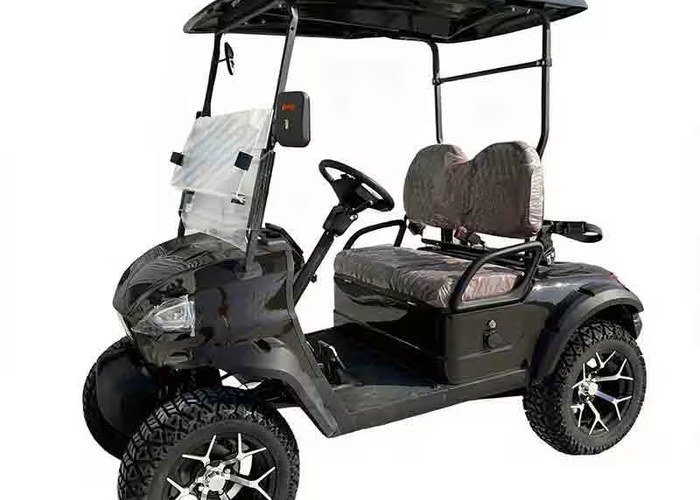
Definire il pacchetto di lavoro prima di definire il veicolo
Begin by listing the actual items the crew moves during a typical shift. That may include tools, trash bags, irrigation parts, cleaning supplies, linens, guest amenities, cones, paint, hoses, ladders, or inspection kits. Then note the weight, shape, and frequency of each item. A buyer who says the team needs a utility cart but cannot describe the daily load is likely to choose a body style that either wastes space or forces staff to improvise with unsafe stacking and repeated extra trips.
Work-package planning should also cover how the crew uses the cart between stops. Do workers step on and off constantly? Do they park on narrow service lanes? Do they carry wet items or dirty equipment that needs easy cleaning? These answers influence whether the cart needs an open cargo area, easier side access, better compartment control, or a simpler interior that can be washed and inspected quickly. The Golf Cart Accessories page becomes more useful once that work pattern is defined, because storage add-ons should support the workflow rather than clutter it.
It is also smart to decide what the cart is not supposed to do. Many utility units become overloaded because staff gradually use them as a substitute for a delivery van, a passenger shuttle, and a tool room at the same time. If the fleet wants reliable performance, the site should set role boundaries early and write them into the order brief and driver rules.
| Domanda di lavoro | Perché è importante |
| Cosa trasporta ogni giorno l'equipaggio? | Determina se il carrello necessita di spazio di carico aperto, contenitori o spazio passeggeri. |
| Con quale frequenza il personale si ferma e scarica? | Influisce sulla comodità di accesso, sul ritmo di parcheggio e sui tempi del percorso. |
| Gli oggetti sono puliti, sporchi, bagnati o fragili? | Modifica le priorità dei materiali interni e le aspettative di lavaggio. |
| Il carrello è condiviso tra i team? | L'uso condiviso di solito richiede layout più semplici e regole di carico più chiare. |
Scegli la disposizione della carrozzeria, il deposito e l'imbarco lungo il percorso
Once the load is clear, review how the cart moves through the property. Utility routes are often more awkward than guest routes because they pass behind buildings, through service yards, near loading areas, and across surfaces that are not designed for comfort. A cart that looks strong in a catalog may still waste time if the driver has to climb around bins, reach awkward tools, or reverse repeatedly in narrow corridors. Product pages such as Carrello da golf VY-B2 a 2 posti, Carrello da golf per quattro persone VY-B4, carrelli da golf a due posti VY-C2 e Carrello da golf per quattro passeggeri VY-C4 dovrebbero pertanto essere confrontati con i punti di svolta e le corsie di accesso effettivi in loco.
Storage design matters as much as gross capacity. Loose items shift, roll, and create noise. That can slow the crew and make the cart feel less stable even when the official load is still acceptable. Buyers should ask whether the site needs side access, rear access, enclosed storage, or quick-drop space for waste bags and maintenance gear. This is also the point where tire selection and floor durability deserve discussion, because a utility cart that crosses mixed surfaces daily will age differently from a guest-focused people mover.
Crew boarding should not be ignored. Workers using a cart for short repetitive stops will notice whether the seat height, handle position, and storage layout slow them down. A body that is efficient for one long transfer can become frustrating on a route with dozens of quick tasks. That is why utility fit should be tested against the actual stop pattern rather than a generic description such as maintenance cart.
Esamina la superficie del percorso, i limiti di svolta, la profondità di parcheggio e le abitudini di carico
Utility routes usually expose the cart to more varied surfaces than guest shuttles. Crews may cross paved roads, gravel edges, turf approaches, curb transitions, drainage channels, and service aprons in the same shift. That means route-surface review should happen before selecting tires, ground clearance expectations, and load discipline. Tire and route-safety references from Guida alla sicurezza NHTSA TireWise E Carrello da golf CPSC e guida alla sicurezza LSV sono utili perché ricordano agli acquirenti che il carico utile e la superficie dovrebbero essere considerati insieme, non separatamente.
Turning and parking depth are equally important. A cart used around workshops, housekeeping stores, landscape depots, or maintenance sheds must be able to approach the right side of the building without blocking others. If drivers need repeated reversing to reach the correct unloading position, the route design or body selection may be wrong. Buyers should measure the narrowest turns, the shortest parking bays, and the distance between stored items and charger positions before approving a final body style.
Loading habit also changes durability. If staff throw tools into the bed, drag hoses across bodywork, or ride with items stacked near footwells, the issue is not only training. It may mean the cart needs better storage logic or clearer route separation between people movement and work movement. Writing those habits into the review is often the fastest way to improve long-term utility performance.
| Fattore di percorso | Implicazione del carrello di utilità |
| Angoli di servizio stretti | Hai bisogno di manovre prevedibili e di un facile accesso all'area di carico. |
| Pavimentazione mista ed erba | La scelta degli pneumatici e la stabilità del carico contano più dell’apparenza. |
| Frequenti soste per lo scarico | L'imbarco veloce e lo stoccaggio ragionevole fanno risparmiare più tempo della velocità principale. |
| Parcheggio officina condiviso | La profondità dell'alloggiamento e il posizionamento del caricatore possono limitare le dimensioni del corpo utilizzabili. |
Pianifica la ricarica e i tempi di attività in base alla pianificazione del personale
A utility cart often feels busiest when the rest of the property is busy as well. Grounds staff may need it early, housekeeping may need it before check-in, and maintenance may need it during unexpected repairs. That is why the charging plan should be tied to labor scheduling rather than only to battery capacity. A calm charging area with labeled bays, dry cable routing, and a clear responsibility rule usually improves uptime more than a last-minute search for extra outlets. Battery-area guidance from Guida OSHA alla ricarica della batteria e riferimenti di addebito più ampi da Nozioni di base sulla ricarica del DOE statunitense sostenere quella disciplina.
Buyers should decide whether the cart returns to base for long charging periods or whether the route depends on short top-ups between tasks. If the cart is expected to stay ready for unpredictable calls, the fleet may need a backup unit or a role split so that one vehicle is not forced to cover every request. This is where the Blog sul carrello da golf elettrico e i percorsi Contatto Longshengtai sono utili per chiarire le opzioni prima che la specifica finale venga bloccata.
Crew behavior matters here too. If staff are not sure who plugs in the cart, who reports charging faults, or what to do when reserve falls faster than expected, the site will experience downtime that looks like a battery problem but is really a process problem. Utility carts stay efficient when charging responsibility is as clear as route responsibility.
Specificare la disciplina relativa alla pulizia, alla manutenzione e ai pezzi di ricambio
Utility vehicles live with more dirt, moisture, and minor impacts than passenger shuttles. Buyers should ask how easy the cart is to clean, inspect, and return to service after a messy shift. That includes access to the battery area, the simplicity of the storage layout, the durability of floor surfaces, and whether daily debris removal is easy for the crew to perform. Guidance from Programma EPA Safer Choice non è un manuale da carrello, ma aiuta a definire uno standard di pulizia che protegga i materiali anziché danneggiarli con prodotti chimici aggressivi improvvisati.
La funzionalità dipende anche dal piano delle parti. Pneumatici, luci, componenti dei freni, accessori di ricarica e piccoli articoli soggetti a usura devono essere considerati prima di effettuare l'ordine. Materiale della catena di fornitura NIST da Guida NIST alla gestione della catena di fornitura is broader than golf carts, but it supports a practical procurement habit: define which parts are worth stocking locally and which can be ordered only when needed. That is especially important for commercial properties that cannot afford long downtime for a small component failure.
A utility cart should also be judged by how clearly staff can identify misuse. If a bed is repeatedly overloaded, if tools are tied to handrails, or if mud and standing water collect in problem areas, those observations should feed back into route rules and future buying decisions. A good service record turns wear and crew comments into evidence, not blame.
Traduci le osservazioni sul campo in un preventivo e un piano di implementazione migliori
Before sending a final request, convert the route notes into a short specification sheet: daily load, peak load, stop count, surface mix, charger location, storage preference, weather exposure, cleaning expectation, and who will use the cart most often. This makes the quote discussion through Richiedi un preventivo molto più pratica di una generica richiesta di carrello da lavoro. Il fornitore può rispondere con una configurazione che riflette il lavoro reale piuttosto che un'ampia categoria di prodotto.
Rollout planning should then include a short driver handover: how the load should be arranged, how to report unusual wear, when to avoid soft or flooded areas, and where the cart must return for charging. Weather resources such as Guida alla sicurezza contro le inondazioni del Servizio meteorologico nazionale e riferimenti alla pianificazione della sicurezza da Guida OSHA sui dispositivi di protezione individuale rafforzare il valore di avere quelle semplici regole scritte prima che una settimana impegnativa esponga le lacune.
When the field observations are recorded and used properly, a utility electric golf cart becomes a controlled tool rather than a catch-all compromise. The crew spends less time improvising, the property avoids underused accessories and avoidable damage, and the next purchase becomes easier because managers know exactly which route problem they are trying to solve.

Riferimento video
The video below gives visual context for utility-style golf carts and work-oriented layouts. Use it as a prompt for layout questions, then judge the final choice against your own crews, routes, storage needs, and charging routine.
Domande che spesso fanno gli acquirenti
Cosa rende un carrello da golf elettrico di servizio diverso da un carrello passeggeri?
La differenza non è solo lo spazio di carico. Una vera configurazione di utilità viene scelta in base a schemi di lavoro come fermate ripetute, gestione degli strumenti, esigenze di pulizia, superfici del percorso e stoccaggio pratico piuttosto che solo al comfort dell'ospite.
Un carrello multiuso dovrebbe essere condiviso tra più reparti?
Può essere condiviso quando le regole di percorso, carico e tariffazione sono scritte in modo chiaro. L’uso condiviso fallisce quando nessuno definisce cosa trasporta il carrello, dove dovrebbe tornare o quale lavoro ha la priorità durante i periodi di punta.
Qual è l'errore d'acquisto più comune per i carrelli multiuso?
The most common mistake is buying around a general idea of toughness without documenting the daily load, stop pattern, and storage logic. That usually leads to a layout that looks acceptable but slows the crew down in practice.
L'adattamento all'utilità deriva dalla chiarezza del lavoro
Un carrello da golf elettrico funziona meglio quando la proprietà definisce il pacchetto di lavoro effettivo, la superficie del percorso, il ritmo delle fermate e la logica di ricarica prima che venga effettuato l'ordine.
Questa chiarezza produce migliori scelte di stoccaggio, migliori regole per i conducenti e meno lamentele sul fatto che il carrello sia in qualche modo sbagliato senza che nessuno sia in grado di spiegare il motivo.
Per i team che si occupano di giardini, manutenzione e servizi immobiliari, la specifica vincente è solitamente quella che rende le attività quotidiane più semplici e pulite piuttosto che quella che sembra più difficile in una breve descrizione di vendita.
Quando la vera routine dell’equipaggio è scritta nel preventivo e nel piano di implementazione, è molto più probabile che il carrello rimanga utile nel tempo invece di finire in un confuso veicolo condiviso che svolge male ogni lavoro.