
Mehrzweckwagen sollten nach Arbeitsmustern spezifiziert werden, nicht nach einer vagen Vorstellung von Robustheit
A utility electric golf cart is often bought because a property team needs something more practical than a passenger shuttle but lighter, cleaner, and easier to run than a larger industrial vehicle. Grounds crews, housekeeping teams, engineers, security staff, and maintenance workers all use that word utility, but they do not always mean the same thing. One team needs storage for hand tools, another needs room for bins and linens, and another needs fast in-and-out movement across tight service paths. The right cart comes from clarifying that work before the order is placed.
Dies ist besonders wichtig für Käufer, die eine Kompaktklasse vergleichen Elektrischer Golfwagen vom Typ A layout with a broader C Type Elektrogolfwagen body or a mixed fleet where passenger carts already exist. Utility work is rarely just cargo capacity. It is route frequency, stop pattern, turning space, washdown needs, parking bay depth, battery turnaround, and whether staff can board and unload quickly under time pressure. The Park- und Outdoor-Transportlösung Und Golfwagenlösung Seiten sind hilfreiche Ausgangspunkte, aber eine sinnvolle Entscheidung erfordert immer noch eine schriftliche Beschreibung des tatsächlichen Arbeitszyklus.
The goal of this guide is to help property teams choose a utility electric golf cart that stays useful after the first week of excitement. It focuses on real operational fit: what the crew carries, how often it stops, where it parks, how it is charged, and how the site will service it. Public resources from CPSC-Golfwagen und LSV-Sicherheitsleitfaden Und CDC-Ressourcen zur Kraftfahrzeugsicherheit sind weit gefasst, bekräftigen aber den Kerngedanken, dass Arbeitsfahrzeuge mit niedriger Geschwindigkeit Streckendisziplin und Schulung benötigen und keine zufälligen Annahmen.
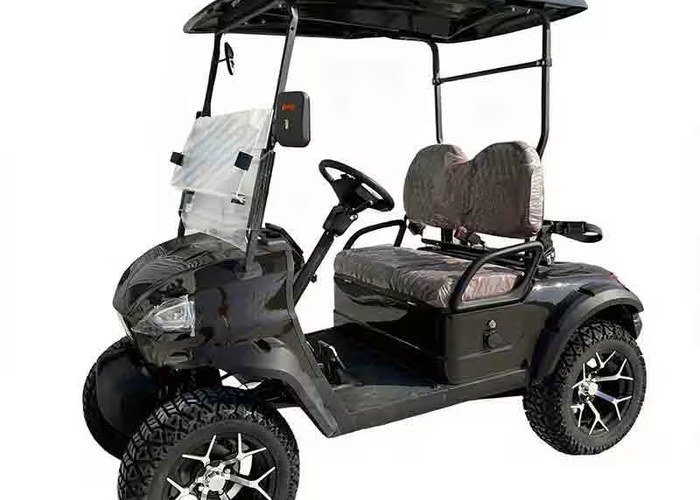
Definieren Sie das Arbeitspaket, bevor Sie das Fahrzeug definieren
Begin by listing the actual items the crew moves during a typical shift. That may include tools, trash bags, irrigation parts, cleaning supplies, linens, guest amenities, cones, paint, hoses, ladders, or inspection kits. Then note the weight, shape, and frequency of each item. A buyer who says the team needs a utility cart but cannot describe the daily load is likely to choose a body style that either wastes space or forces staff to improvise with unsafe stacking and repeated extra trips.
Work-package planning should also cover how the crew uses the cart between stops. Do workers step on and off constantly? Do they park on narrow service lanes? Do they carry wet items or dirty equipment that needs easy cleaning? These answers influence whether the cart needs an open cargo area, easier side access, better compartment control, or a simpler interior that can be washed and inspected quickly. The Golf Cart Accessories page becomes more useful once that work pattern is defined, because storage add-ons should support the workflow rather than clutter it.
It is also smart to decide what the cart is not supposed to do. Many utility units become overloaded because staff gradually use them as a substitute for a delivery van, a passenger shuttle, and a tool room at the same time. If the fleet wants reliable performance, the site should set role boundaries early and write them into the order brief and driver rules.
| Arbeitsfrage | Warum es wichtig ist |
| Was trägt die Crew jeden Tag? | Legt fest, ob der Wagen offenen Laderaum, Behälter oder Fahrgastraum benötigt. |
| Wie oft hält das Personal an und entlädt es? | Beeinflusst den Einstiegskomfort, den Parkrhythmus und das Routen-Timing. |
| Sind die Gegenstände sauber, schmutzig, nass oder zerbrechlich? | Ändert die Materialprioritäten im Innenraum und die Erwartungen an die Waschbarkeit. |
| Wird der Warenkorb von allen Teams gemeinsam genutzt? | Die gemeinsame Nutzung erfordert in der Regel einfachere Layouts und klarere Laderegeln. |
Wählen Sie die Aufbauaufteilung, Lagerung und Verpflegung rund um die Route
Once the load is clear, review how the cart moves through the property. Utility routes are often more awkward than guest routes because they pass behind buildings, through service yards, near loading areas, and across surfaces that are not designed for comfort. A cart that looks strong in a catalog may still waste time if the driver has to climb around bins, reach awkward tools, or reverse repeatedly in narrow corridors. Product pages such as VY-B2 2-Sitzer-Golfwagen, VY-B4 Golfwagen für vier Personen, VY-C2 Zweisitzer-Golfwagen und VY-C4 Golfwagen für vier Passagiere sollten daher mit den tatsächlichen Wendepunkten und Zufahrtswegen vor Ort abgeglichen werden.
Storage design matters as much as gross capacity. Loose items shift, roll, and create noise. That can slow the crew and make the cart feel less stable even when the official load is still acceptable. Buyers should ask whether the site needs side access, rear access, enclosed storage, or quick-drop space for waste bags and maintenance gear. This is also the point where tire selection and floor durability deserve discussion, because a utility cart that crosses mixed surfaces daily will age differently from a guest-focused people mover.
Crew boarding should not be ignored. Workers using a cart for short repetitive stops will notice whether the seat height, handle position, and storage layout slow them down. A body that is efficient for one long transfer can become frustrating on a route with dozens of quick tasks. That is why utility fit should be tested against the actual stop pattern rather than a generic description such as maintenance cart.
Überprüfen Sie die Streckenoberfläche, Wendegrenzen, Parktiefe und Ladegewohnheiten
Utility routes usually expose the cart to more varied surfaces than guest shuttles. Crews may cross paved roads, gravel edges, turf approaches, curb transitions, drainage channels, and service aprons in the same shift. That means route-surface review should happen before selecting tires, ground clearance expectations, and load discipline. Tire and route-safety references from Sicherheitshinweise von NHTSA TireWise Und CPSC-Golfwagen und LSV-Sicherheitsleitfaden sind hilfreich, weil sie Käufer daran erinnern, dass Nutzlast und Oberfläche zusammen und nicht getrennt betrachtet werden sollten.
Turning and parking depth are equally important. A cart used around workshops, housekeeping stores, landscape depots, or maintenance sheds must be able to approach the right side of the building without blocking others. If drivers need repeated reversing to reach the correct unloading position, the route design or body selection may be wrong. Buyers should measure the narrowest turns, the shortest parking bays, and the distance between stored items and charger positions before approving a final body style.
Loading habit also changes durability. If staff throw tools into the bed, drag hoses across bodywork, or ride with items stacked near footwells, the issue is not only training. It may mean the cart needs better storage logic or clearer route separation between people movement and work movement. Writing those habits into the review is often the fastest way to improve long-term utility performance.
| Routenfaktor | Auswirkungen auf den Versorgungswagen |
| Enge Serviceecken | Sie benötigen vorhersehbares Manövrieren und einfachen Zugang zum Ladebereich. |
| Gemischter Gehweg und Rasen | Die Wahl der Reifen und die Stabilität der Ladung sind wichtiger als das Aussehen. |
| Häufige Entladestopps | Schnelles Einsteigen und sinnvolle Lagerung sparen mehr Zeit als Schlaggeschwindigkeit. |
| Gemeinsamer Werkstattparkplatz | Die Tiefe des Schachts und die Platzierung des Ladegeräts können die nutzbare Körpergröße einschränken. |
Planen Sie Lade- und Betriebszeiten entsprechend der Personaleinsatzplanung
A utility cart often feels busiest when the rest of the property is busy as well. Grounds staff may need it early, housekeeping may need it before check-in, and maintenance may need it during unexpected repairs. That is why the charging plan should be tied to labor scheduling rather than only to battery capacity. A calm charging area with labeled bays, dry cable routing, and a clear responsibility rule usually improves uptime more than a last-minute search for extra outlets. Battery-area guidance from OSHA-Anleitung zum Laden von Batterien und umfassendere Ladereferenzen von Grundlagen des US-amerikanischen DOE-Ladens Unterstützen Sie diese Disziplin.
Buyers should decide whether the cart returns to base for long charging periods or whether the route depends on short top-ups between tasks. If the cart is expected to stay ready for unpredictable calls, the fleet may need a backup unit or a role split so that one vehicle is not forced to cover every request. This is where the Blog über elektrische Golfwagen und Kontakt-Longshengtai-Pfade sind nützlich, um Optionen zu klären, bevor die endgültige Spezifikation festgelegt wird.
Crew behavior matters here too. If staff are not sure who plugs in the cart, who reports charging faults, or what to do when reserve falls faster than expected, the site will experience downtime that looks like a battery problem but is really a process problem. Utility carts stay efficient when charging responsibility is as clear as route responsibility.
Legen Sie Sauberkeit, Wartungsfreundlichkeit und Ersatzteildisziplin fest
Utility vehicles live with more dirt, moisture, and minor impacts than passenger shuttles. Buyers should ask how easy the cart is to clean, inspect, and return to service after a messy shift. That includes access to the battery area, the simplicity of the storage layout, the durability of floor surfaces, and whether daily debris removal is easy for the crew to perform. Guidance from EPA Safer Choice-Programm ist kein Einkaufswagenhandbuch, aber es hilft dabei, einen Reinigungsstandard zu formulieren, der Materialien schützt, anstatt sie durch scharfe improvisierte Chemikalien zu beschädigen.
Die Wartungsfreundlichkeit hängt auch vom Teileplan ab. Reifen, Lichter, Bremskomponenten, Ladezubehör und kleine Verschleißteile sollten vor der Bestellung berücksichtigt werden. NIST-Lieferkettenmaterial von NIST-Leitfaden zum Lieferkettenmanagement is broader than golf carts, but it supports a practical procurement habit: define which parts are worth stocking locally and which can be ordered only when needed. That is especially important for commercial properties that cannot afford long downtime for a small component failure.
A utility cart should also be judged by how clearly staff can identify misuse. If a bed is repeatedly overloaded, if tools are tied to handrails, or if mud and standing water collect in problem areas, those observations should feed back into route rules and future buying decisions. A good service record turns wear and crew comments into evidence, not blame.
Übersetzen Sie Feldbeobachtungen in ein besseres Angebot und einen Rollout-Plan
Before sending a final request, convert the route notes into a short specification sheet: daily load, peak load, stop count, surface mix, charger location, storage preference, weather exposure, cleaning expectation, and who will use the cart most often. This makes the quote discussion through Fordern Sie ein Angebot an viel praktischer als eine allgemeine Anfrage nach einem Arbeitswagen. Der Lieferant kann mit einer Konfiguration reagieren, die die eigentliche Aufgabe widerspiegelt und nicht eine breite Produktkategorie.
Rollout planning should then include a short driver handover: how the load should be arranged, how to report unusual wear, when to avoid soft or flooded areas, and where the cart must return for charging. Weather resources such as Leitlinien des Nationalen Wetterdienstes zum Hochwasserschutz und Referenzen zur Sicherheitsplanung von OSHA-Leitfaden zur persönlichen Schutzausrüstung Machen Sie deutlich, wie wichtig es ist, diese einfachen Regeln aufzuschreiben, bevor eine arbeitsreiche Woche die Lücken aufdeckt.
When the field observations are recorded and used properly, a utility electric golf cart becomes a controlled tool rather than a catch-all compromise. The crew spends less time improvising, the property avoids underused accessories and avoidable damage, and the next purchase becomes easier because managers know exactly which route problem they are trying to solve.

Videoreferenz
The video below gives visual context for utility-style golf carts and work-oriented layouts. Use it as a prompt for layout questions, then judge the final choice against your own crews, routes, storage needs, and charging routine.
Fragen, die Käufer oft stellen
Was unterscheidet einen elektrischen Golfwagen für den öffentlichen Gebrauch von einem Personenwagen?
Der Unterschied besteht nicht nur im Laderaum. Bei der Auswahl einer echten Versorgungseinrichtung stehen Arbeitsabläufe wie wiederholte Stopps, Werkzeughandhabung, Reinigungsbedarf, Routenoberflächen und praktische Aufbewahrung im Vordergrund und nicht nur der Komfort der Gäste.
Sollte ein Mehrzweckwagen von mehreren Abteilungen gemeinsam genutzt werden?
Es kann geteilt werden, wenn die Routen-, Lade- und Laderegeln klar formuliert sind. Die gemeinsame Nutzung schlägt fehl, wenn niemand definiert, was der Wagen transportiert, wohin er zurückkehren soll oder welcher Job in Stoßzeiten Vorrang hat.
Was ist der häufigste Fehler beim Kauf von Mehrzweckwagen?
The most common mistake is buying around a general idea of toughness without documenting the daily load, stop pattern, and storage logic. That usually leads to a layout that looks acceptable but slows the crew down in practice.
Utility-Passform ergibt sich aus Arbeitsklarheit
Ein elektrischer Golfwagen funktioniert am besten, wenn die Immobilie vor der Auftragserteilung das tatsächliche Arbeitspaket, die Streckenoberfläche, den Stopprhythmus und die Ladelogik definiert.
Diese Klarheit führt zu besseren Lagermöglichkeiten, besseren Fahrerregeln und weniger Beschwerden darüber, dass der Wagen irgendwie falsch ist, ohne dass jemand erklären kann, warum.
Für Außendienst-, Wartungs- und Immobiliendienstleistungsteams ist in der Regel die Spezifikation erfolgreich, die die täglichen Aufgaben einfacher und sauberer macht, und nicht diejenige, die in einer kurzen Verkaufsbeschreibung am anspruchsvollsten klingt.
Wenn die tatsächliche Routine der Crew in das Angebot und den Rollout-Plan aufgenommen wird, ist es viel wahrscheinlicher, dass der Wagen über einen längeren Zeitraum nützlich bleibt, anstatt in ein verwirrendes Gemeinschaftsfahrzeug zu verfallen, das jede Aufgabe schlecht erledigt.