
Ein Lithium-Elektro-Golfwagen sollte nach dem Betriebszyklus und nicht nach dem Batteriemodell ausgewählt werden
A lithium electric golf cart is often described as the obvious modern choice, but buyers still need to test whether the battery system fits the route, the charging area, and the operating habits on site. Lithium can offer lighter weight, stable power delivery, and a simpler daily routine, yet those advantages only matter when the fleet is specified and supported correctly. Teams reviewing Produkte für elektrische Golfwagen sollten die Batteriechemie als Teil des Betriebsplans betrachten und nicht als Abkürzung zu einem guten Kauf.
This matters because the real decision is not just lithium versus something older. It is whether the cart can finish the route calmly, charge in a way the team can repeat, and deliver a cost profile the site can live with over time. A buyer comparing VY-A4 4-Sitzer-Golfwagen, VY-A6 6-Sitzer-Golfwagen, Und VY-D2 Golfwagen mit Lithiumbatterie Daher sollten Sie sich fragen, wie Batterie, Ladegerät, Nutzlast und Route zusammenwirken, bevor Sie entscheiden, dass ein Lithium-Label allein das Problem löst. Allgemeine Ladehinweise von Ladeübersicht der Battery University und breiteren EV-Kontext von Übersicht über Elektrofahrzeuge und Ladegeräte des US-Energieministeriums sind nützliche Hintergrundinformationen, da sie den Zusammenhang zwischen Batterieverhalten und Betriebsroutine verstärken.
This guide explains how to choose a lithium electric golf cart for real fleet use. It covers route fit, charging routine, range realism, support expectations, and the difference between a battery that looks advanced on paper and one that works cleanly every day. The objective is to help buyers choose a lithium setup that stays practical after delivery rather than simply sounding current during the quote stage.
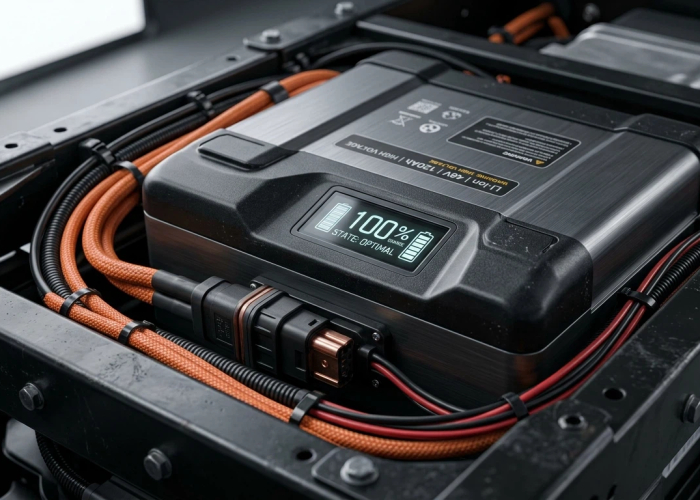
Beginnen Sie mit der Route und der täglichen Belastung, bevor Sie über die Chemie diskutieren
A lithium electric golf cart should earn its place by matching the duty cycle. Buyers should write down route length, slope, stop frequency, passenger load, accessory use, and the amount of reserve they expect at the end of the longest shift. Those details reveal whether lithium is being chosen for a real operational reason, such as stable daily use and easier charging management, or whether it is being chosen simply because it sounds newer.
Different routes ask different things from the same battery system. A resort guest shuttle, a community mobility route, and a maintenance-support loop may all use electric golf carts, but they create very different charging windows and stress patterns. The site may rely on Golfwagenlösung für Gästebewegung und Park- und Outdoor-Transportlösung für eine breitere Immobilienzirkulation, doch jeder Anwendungsfall ändert, wie viel Nutzen ein Lithium-System tatsächlich bringt.
It is also worth deciding what margin is acceptable. A cart that can technically finish the route with little reserve may still be a poor fit for a property that values calm operation and predictable shift handoff. Public resources like Übersicht über Elektrofahrzeuge des Alternative Fuels Data Center tragen dazu bei, den umfassenderen EV-Grundsatz zu stärken, dass die nutzbare Leistung wichtiger ist als eine einzelne optimistische Reichweite oder Ladezahl.
| Kurze flache Strecken | Lithium kann immer noch hilfreich sein, aber der Nutzen sollte anhand der Einfachheit des Ladens und der Flottenrichtlinien geprüft werden. |
| Längere gemischte Vermögenssteuer | Prüfen Sie, ob eine stabile Stromversorgung und eine einfachere Ladedisziplin den täglichen Service verbessern. |
| Kommerzielle Flotte mit hoher Auslastung | Überprüfen Sie gemeinsam die Ladegerätplanung, die Reserveerwartungen, den Ersatzteilsupport und die Austauschstrategie. |
Beurteilen Sie die Laderoutine genauso ernst wie den Akku
A lithium system only performs well when the charging habit is clear and repeatable. Buyers should ask where the cart will be parked, who plugs it in, what charger is specified, and whether the site expects only overnight charging or also partial daytime recovery. A battery that looks efficient on paper can still create frustration if the charger row is badly organized or if operators improvise the charging sequence under pressure.
Allgemeine Ladehinweise von Ladeübersicht der Battery University, OSHA-Anleitung zum Laden von Batterien, Und UL-Standards und Engagement are useful here because they remind buyers that battery performance and charging discipline cannot be separated. The practical question is not just how fast the pack can charge in ideal conditions. It is whether the site’s actual people and spaces can support that routine every day without rushed connections or vague accountability.
If the site uses several carts, managers should also think about charger labeling, cable condition, and the policy for exception cases. A lithium fleet tends to feel easier to own when the return process is simple and visible. When the process is unclear, the chemistry advantage can be diluted by operational confusion.
Überprüfen Sie Reichweite und Reserve im realen Betrieb, nicht in der Broschürensprache
Range questions should be translated into route questions. How far does the cart travel before it returns? How many stops happen along the way? How much passenger or cargo weight is normal? What weather conditions change the battery load? Once those answers are written down, the buyer can judge whether the claimed lithium benefit matches the route instead of assuming one chemistry always delivers the same result in every property.
Referenzen zu alternativen Kraftstoffen und Elektrofahrzeugen wie z Übersicht über Elektrofahrzeuge des Alternative Fuels Data Center, Grundlagen des US-amerikanischen DOE-Ladens, Und Übersicht über Elektrofahrzeuge und Ladegeräte des US-Energieministeriums are useful because they frame range and charging as part of a whole operating system. That is exactly how buyers should think about golf carts as well. A strong lithium setup is one that leaves comfortable reserve after the real route and still fits the available charging window before the next demand peak.
The site should therefore test reserve, not only total distance. A cart that reaches the parking area nearly empty may still be technically acceptable, but it offers less room for detours, weather changes, or late returns. For guest-facing or staff-critical work, reserve often matters more than the headline number.
Vergleichen Sie Support, Garantie und Ersatzplanung, bevor Sie Lithium als Sparentscheidung bezeichnen
The cost case for a lithium electric golf cart should include more than electricity and runtime. Buyers should ask about spare-parts availability, battery support path, charger replacement, documentation quality, and what happens if performance questions appear after delivery. The public perspective from Anleitung zur FTC-Garantie ist nützlich, weil es Käufer dazu ermutigt, das tatsächliche Support-Versprechen zu prüfen, anstatt davon auszugehen, dass moderne Technologie automatisch eine einfachere Eigentümerschaft bedeutet.
A well-supported lithium system can make planning easier over time, but only when the supplier explains how the battery package is serviced and what replacement logic exists in the market where the cart will operate. Buyers should expect clarity on diagnostics, expected charging behavior, and what information the supplier needs if the cart starts returning with lower-than-expected reserve.
Support also affects planning confidence. If procurement and operations know exactly who to contact, which records to keep, and what routine checks matter, the lithium decision becomes easier to defend internally. If those answers are vague, the site may be buying a battery label rather than a usable support system.
Überprüfen Sie gemeinsam den Ladebereich, die Gewohnheiten des Bedieners und die Witterungseinflüsse
A lithium system can still be undermined by a poor charging environment. Buyers should look at aisle width, weather exposure, cable routing, staff access, and how clearly the parking spaces are assigned. If operators need to fight for access to the charger or work around wet surfaces and clutter, the ownership experience will feel worse no matter how good the battery technology is.
Elektrische Disziplin ist wichtig, da der Ladebereich immer noch ein Arbeitsbereich ist. Öffentliche Anleitung von OSHA-Leitfaden zur elektrischen Sicherheit, NFPA-Ressourcen zur Sicherheit von Elektrofahrzeugen, Und Hinweise zum Blitzschutz des Nationalen Wetterdienstes is useful background when the charging row is outdoors or semi-exposed. Even if the cart is simple to operate, the site still needs a clean rule for connection, inspection, and stopping work when conditions become unsafe.
The buyer should therefore evaluate the cart and the parking process at the same time. A lithium electric golf cart that fits the route but not the return environment may still create friction. The best result is a system where drivers can park, inspect, connect, and leave without improvising.
Führen Sie einen streckenbasierten Abnahmetest durch, bevor Sie die Flotte skalieren
Before approving multiple units, the site should run the lithium cart on the real route, with the real passenger or cargo load, and then measure how it returns to charge. The point is to observe the full operating cycle: dispatch, route completion, reserve at return, charging behavior, and readiness for the next use window. That test is far more valuable than a short demonstration loop or a sales claim about battery efficiency.
A useful acceptance note includes route length, weather conditions, accessory use, return battery state, charger used, and how calmly the cart fits back into the timetable. It should also record whether drivers followed the charging routine correctly or needed extra guidance. That information turns the purchase decision into evidence instead of preference.
Sobald die Site über diese Beweise verfügt, kann sie verschoben werden Fordern Sie ein Angebot an oder Kontaktieren Sie Longshengtai with much cleaner requirements. The supplier can then respond to a real operating pattern rather than to a vague request for a lithium cart. That usually produces a better final specification and a more defensible fleet decision.
Planen Sie Bedienergewohnheiten und Batterieaufzeichnungen, bevor die Flotte wächst
Lithium ownership tends to feel easiest when operators are trained to notice the same few things every day: how the cart returned, whether the charger behaved normally, whether the connector area looks clean, and whether the expected reserve still matches the route. Those checks do not need to become complicated. They need to become consistent enough that small changes are noticed early instead of being discovered only after a busy day goes wrong.
A simple record can also improve buying decisions later. If the site notes route type, reserve at return, unusual charging events, and any driver comments about power or timing, it gradually builds evidence for future fleet planning. That record helps managers decide whether the battery system is well matched, whether the charger area needs revision, and whether the next order should copy the same configuration or request a different balance of range and turnaround behavior.
This is another reason lithium should be evaluated as a system rather than as a slogan. When the route note, the charging habit, the operator record, and the supplier support path all reinforce each other, the battery choice becomes easier to manage over several years instead of only during the first delivery cycle.
Videoreferenz
Das folgende Video bietet einen allgemeinen visuellen Kontext für die Verwendung von Lithium-Elektro-Golfwagen. Die endgültige Batterieauswahl sollte dennoch anhand Ihrer Route, der Ladegerätkonfiguration und des Supportplans überprüft werden.
Fragen, die Käufer oft stellen
Ist ein Lithium-Elektro-Golfwagen immer die beste Wahl?
Nein. Lithium ist oft eine gute Option, aber die richtige Wahl hängt immer noch von der Routennachfrage, der Ladedisziplin, der Supportqualität und dem Wert ab, den der Standort durch den einfacheren täglichen Betrieb erhält.
Was sollten Käufer bei der Wahl eines Lithium-Ladegeräts zum Ladegerät fragen?
Erkundigen Sie sich, welches Ladegerät zum Batteriesystem passt, wo der Wagen geladen werden soll, wie normales Alltagsverhalten aussieht und welche Anzeichen einen Servicecheck auslösen sollten.
Wie sollte eine Flotte Lithium testen, bevor mehrere Wagen bestellt werden?
Fahren Sie die tatsächliche Route unter realistischer Last ab, notieren Sie die Reserve bei der Rückkehr, bestätigen Sie, dass die Laderoutine ordnungsgemäß funktioniert, und notieren Sie, ob der Wagen wieder bereit ist, wenn das nächste Dienstfenster beginnt.
Wählen Sie Lithium, weil es zum System passt
A lithium electric golf cart becomes a good purchase when the route, reserve target, charger plan, and support path all work together. That is what turns the battery choice into calmer daily operation instead of a marketing headline.
Wenn Käufer die Route, die Ladegewohnheiten und das Kundendienstversprechen gemeinsam validieren, treffen sie in der Regel eine fundiertere Entscheidung und erhalten eine Flotte, mit der man im Laufe der Zeit besser leben kann.
That same discipline also makes future expansion easier because the site already knows which routes suit the battery system, which charging habits are realistic, and which support questions must be answered before the next order is approved.