Il tempo di ricarica dovrebbe essere pianificato in base all'orario in cui il carrello deve sopravvivere
Electric golf cart charging time is easy to oversimplify because many buyers start with a brochure number and stop there. In real service, the useful question is whether the cart can leave the charging area ready for the next route without forcing staff to cut inspections, swap vehicles, or delay passengers. Teams comparing Prodotti per carrelli da golf elettrici dovrebbero considerare il tempo di ricarica come una variabile operativa legata alla lunghezza del percorso, alle dimensioni della batteria, alla potenza del caricabatterie, alle condizioni meteorologiche, al carico utile e alla disciplina del processo di restituzione. Background di base da sfondo del carrello da golf è utile, ma la preparazione quotidiana deriva dalla pianificazione piuttosto che da una specifica principale.
Un breve percorso per gli ospiti e un lungo circuito della navetta possono creare pressioni di ricarica molto diverse anche quando entrambi utilizzano golf cart elettrici della stessa famiglia. Una proprietà può fare affidamento su Soluzione per carrello da golf durante i picchi di servizio e Soluzione per parchi e trasporti all'aperto for longer site circulation, yet both duties can converge at one charging row when the shift changes. If the fleet manager does not map those overlaps, the result is not only slower charging. It becomes blocked aisles, rushed plug-in habits, late departures, and unclear responsibility for carts that return with low reserve.
This guide focuses on how buyers and operators should plan electric golf cart charging time in a practical way. It covers what affects refill speed, how to judge opportunity charging windows, why route timing matters more than optimism, and which questions a supplier should answer before a purchase order is approved. General safety guidance from Guida OSHA alla ricarica della batteria e contesto infrastrutturale da Nozioni di base sulla ricarica del DOE statunitense sono riferimenti utili perché rafforzano lo stesso principio: la ricarica è una zona di lavoro gestita, non solo un parcheggio cablato.
Inizia con la finestra di reso più trafficata, non con il giorno medio
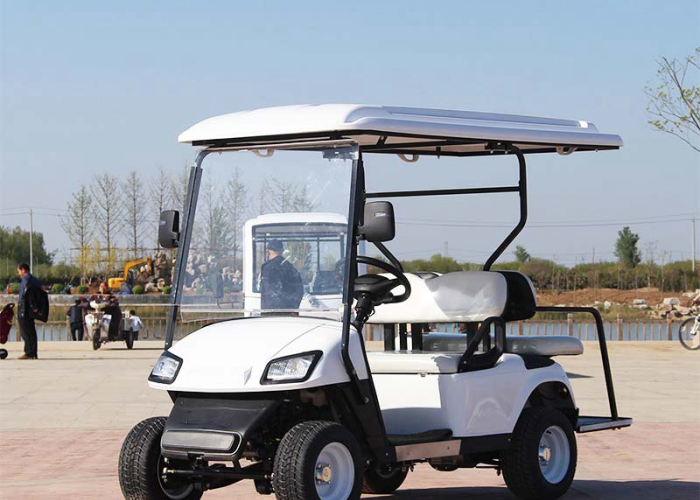
Charging plans fail when they are built around an average route instead of the busiest hour. A fleet may look calm on paper, then send six carts back to the same line within twenty minutes because breakfast service, tour turnover, and staff handoff all happen together. That is why buyers should map the real return peaks first. If a site mainly uses Carrello da golf a 4 posti VY-A4 per brevi spostamenti degli ospiti e Carrello da golf VY-A6 a 6 posti per circuiti di trasferimento più ampi, la fila del caricabatterie dovrebbe riflettere il modo in cui i veicoli effettivamente tornano a casa piuttosto che il loro aspetto in uno schieramento statico.
An accurate map should include the route distance, the approved passenger count, how often the cart stops, whether drivers wait with lights and accessories on, and how much reserve managers want before the next departure. A cart that returns with a comfortable buffer can tolerate a shorter plug-in window than a cart that finishes nearly empty. The discipline of writing down those conditions often reveals that the true problem is not charger speed but unrealistic route assignment.
Vale anche la pena controllare dove camminano gli autisti dopo aver parcheggiato. Gli spazi di ricarica non dovrebbero creare percorsi di cavi lungo percorsi pedonali o rampe trafficate. Guida pubblica da Guida ai dispositivi di mobilità ADA is useful here because it reminds managers that access and clearance matter even in operational areas. A bay that technically fits the fleet can still be a poor choice if operators must squeeze past chargers, doors, and stored equipment every time they connect a vehicle.
| Un lungo turno quotidiano | Dai priorità alla tariffazione notturna prevedibile, al tempo di ispezione mattutina e alla chiara gestione delle eccezioni. |
| Diverse onde di percorso breve | Dai priorità all'accesso ai turnaround, all'etichettatura dei caricatori e ai carrelli che possono rientrare rapidamente in servizio. |
| Uso misto passeggeri e servizi | Separare per mansione se i tempi di restituzione o l'accesso al caricatore sono in conflitto ripetutamente. |
Scopri cosa cambia realmente il tempo di ricarica
Battery chemistry matters, but it is not the only factor. A lithium pack may support a simpler daily routine than an older lead-acid setup, yet the useful outcome still depends on charger output, how deeply the battery was used, ambient temperature, and whether the site follows the recommended sequence every time. The Panoramica sulla ricarica di Battery University La panoramica è utile per il comportamento di ricarica generale, in particolare per i team che passano dalle vecchie abitudini relative alle batterie al pensiero basato sul litio.
Anche le etichette di tensione dovrebbero essere lette attentamente. Un acquirente può confrontare la tensione nominale della batteria, la potenza nominale del caricabatterie e il ciclo di lavoro utilizzabile, ma nessuno di questi numeri significa molto senza il percorso. La guida più ampia sui veicoli elettrici su Panoramica dei veicoli elettrici e del caricabatterie del Dipartimento dell'Energia degli Stati Uniti is a good reminder that charging speed, energy use, and daily scheduling always belong together. A cart that looks fast to recharge in one scenario may still be the wrong match if the property expects heavy payloads and minimal dwell time between trips.
Per la pianificazione della flotta, è utile pensare in termini di finestre di disponibilità anziché di ore grezze. Risorse di carburante alternativo come Panoramica dei veicoli elettrici del Data Center sui combustibili alternativi are useful because they frame charging as part of an operating system. That is the right mindset for golf carts as well. Managers should ask, how long do we actually have between the end of route A and the required departure for route B, and what battery reserve is acceptable at that handoff point?
Costruisci un processo di reso che protegga il periodo di addebito
A charging area works best when the return sequence is boring. The driver parks in the assigned space, notes the battery state, checks for obvious damage, plugs in correctly, and marks whether the cart is ready, charging, or held for service. When that sequence changes from driver to driver, managers lose control of charging time because the clock starts only when the cart is actually connected and left in the right condition.
Electrical discipline matters as much as fleet discipline. Cables should be routed to avoid strain, connectors should stay clean, and staff should know which conditions require a supervisor instead of guesswork. Background from Standard e impegno UL E Risorse NFPA per la sicurezza dei veicoli elettrici è utile in questo caso perché rafforza il motivo per cui le apparecchiature di ricarica, le condizioni dei cavi e il calore attorno agli impianti elettrici meritano attenzione anche quando il veicolo sembra semplice da usare.
Supervisors should also decide how exceptions are handled. If a cart returns late, can it still meet the next departure? If not, which backup unit moves into service and who records that change? Formalizing those decisions prevents emotional last-minute choices that erase the value of the planned charging window. The more the fleet grows, the more helpful a visible procedure becomes.
Abbina la pianificazione del tempo di ricarica alla progettazione del percorso e alle condizioni meteorologiche
Charging time is not independent from route behavior. The same battery can look efficient on a flat loop with light boarding and then feel slow to recover after a route with repeated stops, long idling periods, or wet-weather accessory use. The Carrello da golf CPSC e guida alla sicurezza LSV La guida costituisce una base utile perché spinge gli operatori a pensare a come interagiscono l’uso del veicolo, la sicurezza dei passeggeri e le condizioni del percorso, piuttosto che trattare il carrello come un dispositivo isolato.
Il meteo merita una linea a parte nel piano operativo. Forti piogge, caldo e cambiamenti stagionali del percorso possono alterare sia il consumo di energia che il comfort dell'area di ricarica. Risorse per fulmini e inondazioni da Guida alla sicurezza elettrica dell'OSHA, Guida alla sicurezza contro i fulmini del Servizio meteorologico nazionale, E Guida alla sicurezza contro le inondazioni del Servizio meteorologico nazionale are valuable reminders that an outdoor or semi-outdoor charging row should be reviewed as an environment, not just as a piece of equipment. A fleet can lose time simply because staff are reluctant to work in a poorly protected bay during bad weather.
A good buyer conversation therefore includes route slope, stop frequency, expected accessories, seasonal conditions, and whether the property expects opportunity charging between trips. Those details make the supplier’s estimate more useful and give the operating team something real to test before the fleet is expanded.
Chiedere al fornitore la prova dell'orario, non solo le dichiarazioni sul caricabatterie
Un fornitore serio dovrebbe sentirsi a proprio agio nel discutere il tempo necessario al carrello per riprendersi da un percorso reale piuttosto che ripetere una cifra di ricarica ideale. Gli acquirenti possono utilizzare Blog sul carrello da golf elettrico per inquadrare le domande giuste, quindi passare a Richiedi un preventivo with a route summary that includes shift pattern, longest loop, average passenger load, accessory use, charger voltage, and the reserve expected before the next dispatch. That is a far better brief than simply asking how many hours charging takes.
Support questions matter after delivery as well. Ask which charger is included, whether alternative charger specifications are available, what indicators the driver should watch, and how to handle a cart that does not recover on schedule. Warranty guidance from Guida alla garanzia FTC e il contesto degli standard da Panoramica degli standard ANSI sono utili per ricordare che la documentazione e il linguaggio di supporto dovrebbero essere chiari prima che una flotta venga impegnata, non dopo che si verifica un problema di spedizione.
The best charging-time plan is the one the site can actually repeat every day. If a timetable depends on perfect discipline, no weather changes, and no late returns, it is too fragile. A stronger plan leaves room for inspection, mistakes, and route variation while still keeping vehicles ready. When that balance is clear, the final specification conversation through Contatta Longshengtai è solitamente più veloce e più preciso.
Esegui un test di accettazione dell'orario prima di ridimensionare la flotta
Before approving several units, a buyer should run a realistic acceptance test with the longest expected route, the heaviest approved passenger load, and the actual charger arrangement that will be used on site. The point is not to prove the cart can recover once under ideal conditions. The point is to see whether the full cycle of dispatch, route completion, return, plug-in, inspection, and next departure still works when people are slightly rushed and the property is operating normally.
A useful test includes more than one cycle. Run the cart out, bring it back, document the reserve, connect it exactly as staff will connect it later, and then check whether the next assignment can leave on time with the agreed margin. If the property depends on opportunity charging, repeat the same process with the shorter dwell window instead of only using overnight recovery. This reveals whether the planned charging time is robust or whether it depends on ideal behavior that will fade after the first busy week.
The results should be recorded in simple language that operations, service staff, and procurement can all understand. Write down route length, passenger count, accessory use, charger used, weather conditions, return battery state, charge duration, and readiness at the next handoff. A written acceptance note is far more useful than a general impression that the cart seemed fine. It gives the supplier and the site team a factual reference if the fleet expands or if later carts behave differently under the same duty cycle.
Riferimento video
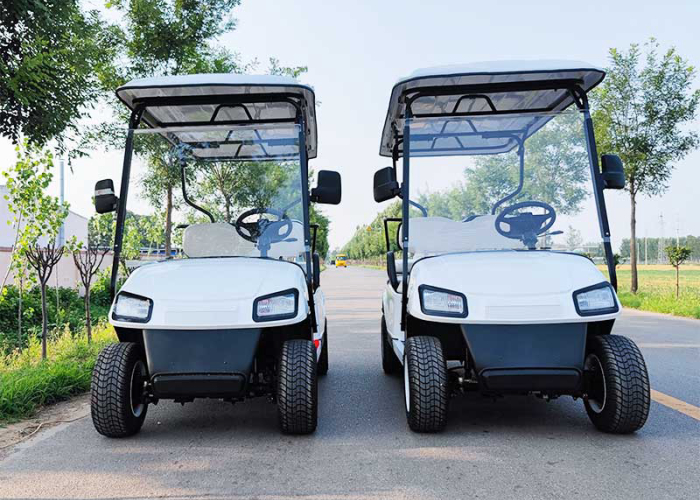
Il video qui sotto è incluso come riferimento visivo pratico per il funzionamento del carrello da golf elettrico. Usalo insieme all'orario del percorso, alle istruzioni del caricabatterie e alle regole del sito per la tua flotta.
Domande che spesso fanno gli acquirenti
In che modo gli acquirenti dovrebbero valutare il tempo di ricarica del carrello da golf elettrico?
Valutalo rispetto al percorso reale, al carico utile, al programma dei turni, all'obiettivo di riserva, alle specifiche del caricabatterie e alla finestra di sosta disponibile. Una sola cifra oraria indicata non è sufficiente per la pianificazione della flotta.
La ricarica più rapida risolve automaticamente i problemi di turnover della flotta?
No. Molti problemi di turnover derivano da una disposizione inadeguata della baia, da abitudini di plug-in incoerenti, da resi tardivi o da un'assegnazione del percorso non realistica. L'alimentazione del caricabatterie aiuta solo quando il processo attorno ad esso è stabile.
Cosa dovrebbe essere testato prima di accettare una flotta?
Test the longest realistic route, the expected passenger load, the actual charger setup, and the available return window. Confirm that the cart comes back with enough reserve and can recover within the site’s timetable.
Considera il tempo di ricarica come una promessa operativa
When electric golf cart charging time is planned around the busiest real duty cycle, buyers get better answers and operators get fewer surprises. The useful benchmark is not whether the cart charges eventually, but whether it returns to service calmly, safely, and with enough reserve for the next job.
A route-based brief, a disciplined charging row, and clear support questions produce a better result than a brochure comparison alone. That approach protects uptime and makes the next purchase decision much easier to defend.