
A supplier decision should be tested before the container is booked
An electric golf cart supplier should be evaluated with the same discipline buyers use for the vehicle itself. A clean catalog and quick quotation are useful, but they do not answer the harder questions about sample quality, change control, spare parts response, charger matching, packing discipline, and who will answer after delivery. Buyers comparing the Electric Golf Cart Products range should judge the supplier by how clearly it turns route needs, accessory needs, and delivery conditions into a repeatable order process.
This matters for first-time importers and for experienced fleet buyers. A resort may need passenger comfort and branded handover materials. A community dealer may care more about fast parts support. A facilities team may want simple controls, easy charging, and predictable service documents. The supplier evaluation should therefore begin with the buyer’s own job description, then test whether the supplier can explain how the Carrinho de golfe elétrico clássico, Carrinho de golfe elétrico tipo A, Carrinho de golfe tipo B, or D Type Electric Golf Cart lineup fits that job without overselling a single model.
The safest approach is to evaluate the relationship in layers. Start with communication quality, sample discipline, and document accuracy. Then test configuration understanding, spare parts planning, and after-sales response. Public references such as NIST supply chain management guidance and the consumer-facing structure of FTC warranty guidance are helpful reminders that strong supply decisions depend on evidence, written expectations, and a clear record of who is responsible for what after the goods move.
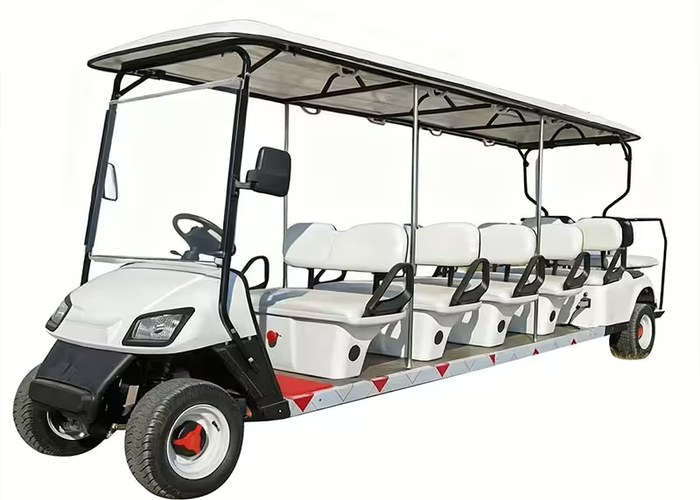
Start by documenting the route, load, and support expectation
Before asking a supplier for advice, buyers should write down how the carts will be used. Note the passenger count, route length, slope, loading pattern, charger location, weather exposure, and whether the site needs spare tires, windshields, roof options, or dealer-facing documentation. A supplier that receives a precise brief can respond precisely. A supplier that receives only 4 seats and lithium battery will usually reply with a broad promise that leaves too much room for interpretation.
This first document should also separate required features from preferred features. Required items might include charger voltage, turning space, seat configuration, or road-access limits. Preferred items might include color, branding, premium seat trim, or enclosure style. That distinction makes later conversations through Request a Quote far cleaner because the buyer can compare whether the supplier understood the operational priorities or simply responded to the most visible cosmetic requests.
It is also useful to define the support expectation up front. Some buyers need training notes for local drivers. Some need a sample before a dealer rollout. Others need a reliable spare-parts matrix and carton labeling because the fleet will be serviced by warehouse staff rather than mechanics. A supplier that can restate those needs in its reply is usually more reliable than one that changes the subject to a headline specification. Broader equipment references such as golf cart background and Alternative Fuels Data Center electric-vehicle overview are background only; the real decision should still be tied to the buyer’s own operating conditions.
| Evaluation input | Why it matters |
| Route and passenger profile | Prevents the supplier from recommending a model that looks right on paper but fits the site poorly. |
| Charging and storage conditions | Clarifies charger match, battery routine, and the need for labels or training notes. |
| Accessory and spare parts expectation | Shows whether the supplier can support the fleet after arrival, not only before payment. |
| Delivery and support model | Distinguishes sample, dealer, project, and repeat-buyer needs. |
Use the sample order to judge process, not only appearance
A sample cart should be treated as a process audit. Check whether the supplier confirms drawings, specifications, charger details, optional accessories, and carton labels in writing before shipment. Then compare those confirmations with what actually arrives. A buyer who tests only paint finish and seat comfort misses the more expensive questions about how the supplier handles change requests, substitutions, and late clarifications.
The sample should also be reviewed on the real route. Drive it where guests board, where tools are loaded, where the cart is parked to charge, and where the tightest turns occur. The Solução de carrinho de golfe page can help buyers structure this conversation because it frames the cart as part of a site movement system rather than a stand-alone product. The most helpful supplier will respond to route feedback with practical configuration notes instead of generic praise.
Documentation quality is part of the sample review too. Confirm that charger labels, accessory lists, and serial or unit references are easy to match. If the supplier cannot keep a single-sample record clean, it becomes risky to trust larger mixed orders. Standards overviews such as ANSI standards overview and UL Standards and Engagement are useful when buyers want to understand documentation culture, but the immediate question is simpler: can this supplier make the handover easy for the receiving team?
If the sample uses a different seat layout or trim level from the planned main order, make that difference explicit in the file. Many avoidable arguments start when a sample is treated as representative even though it was built with different options. The supplier should help the buyer identify those differences early, not wait for the final production run to reveal them.
Check how the supplier handles charger, battery, and parts questions
Long-term support is usually tested first through charger and battery questions. Ask what charger voltage will be supplied, how the plug type will be confirmed, what the first-charge routine should be, and which warning signs should trigger service escalation. A capable supplier should answer clearly, without forcing the buyer to guess which parts of older lead-acid habits still apply to a modern lithium setup. Background material from Battery University charging overview and U.S. DOE charging basics can help buyers ask sharper questions, but the final answer still has to be supplier-specific.
Spare-parts planning deserves equal attention. Ask which items are stocked regularly, how mirrors and lights are labeled, whether wear items are grouped by model family, and how the supplier wants a claim or service request to be identified. If a dealer or property team cannot match a part to a cart quickly, downtime grows even when the part exists. This is where product-family links such as Carrinho de golfe elétrico tipo A, Carrinho de golfe tipo B, and D Type Electric Golf Cart can be used in the discussion so the supplier explains compatibility across actual models instead of broad marketing categories.
Battery and charging safety should also be reflected in the support language. The supplier should know when to tell the buyer to stop using a charger, when to isolate a damaged cable, and what information to share with service staff. Resources like OSHA battery charging guidance and NFPA electric vehicle safety resources are strong references for the buyer’s internal procedures, but the supplier still needs to provide model-specific instructions that local operators can follow without interpretation.
| Support topic | What to ask |
| Charger match | Voltage, connector style, first-charge steps, and fault escalation path. |
| Battery routine | Storage guidance, warning indicators, and when to remove a cart from service. |
| Spare parts | How parts are labeled, stocked, packed, and matched to specific cart models. |
| Claim response | Which photos, serial references, and shipment details the supplier needs first. |
Evaluate communication under small changes and pressure
A strong supplier remains clear when something changes. Test this with small but realistic adjustments: a charger plug revision, a color correction, a seat material question, or a packaging note for loose accessories. The buyer is not creating unnecessary work by doing this. The buyer is checking whether the supplier can absorb normal project changes without losing traceability or giving contradictory answers.
Ask who will own each stage of the order. One person may quote, another may confirm production, and another may manage shipment. That structure can work well if the handoff is organized. It becomes risky when the buyer has to re-explain the same route needs, accessory requirements, or sample comments several times. A short written recap after each call is an efficient way to see whether the supplier’s internal communication is disciplined.
Response speed matters less than response quality. A fast answer that ignores the buyer’s actual duty cycle is less useful than a slower answer that compares the Carrinho de golfe elétrico clássico and D Type Electric Golf Cart options honestly. Buyers should also note whether the supplier flags risks voluntarily, such as mixed accessory packaging, long-lead chargers, or destination-specific handling issues. Public logistics guidance from CDC motor vehicle safety resources and flood-risk reminders from National Weather Service flood safety guidance show why practical operations depend on anticipating exceptions rather than pretending every site behaves like a dry showroom.
Review the after-sales path before placing the main order
After-sales support should be reviewed before any main payment milestone. Confirm how the supplier wants a defect report formatted, which media files are most useful, how many business days are typical for the first response, and whether replacement parts are sent by serial reference, photo reference, or order-line reference. A supplier that cannot explain this clearly before the order is unlikely to become clearer after the goods arrive.
It is worth checking whether the supplier can support both the operating team and the purchasing team. Operators may need practical instructions and fast answers. Purchasing teams may need packing confirmations, spare-parts lists, and warranty wording. A buyer can use Contact Longshengtai to compare how clearly these channels are handled. The real question is not whether the supplier promises support, but whether the supplier has a support method that reduces confusion on the buyer’s side.
Buyers running guest routes or mobility services should also consider service continuity. If a property depends on carts daily, one slow reply can disrupt guest transport, maintenance flow, or sales tours. That is why after-sales evaluation belongs in the supplier score, not in a separate folder that no one revisits after the order is placed. Guidance such as ADA mobility device guidance can remind buyers that boarding reliability and equipment availability affect passenger experience, not just warehouse paperwork.
A practical scorecard should end with a simple decision: would this supplier be easy to work with again if the second order were larger and more mixed than the first? If the answer is uncertain after the sample and document review, the buyer should resolve that uncertainty before committing to a fleet rollout.
Turn the evaluation into a reusable supplier scorecard
The final step is to capture the evaluation in a reusable scorecard. Score communication clarity, route understanding, sample accuracy, charger and battery explanation, spare-parts readiness, document quality, and after-sales discipline. Keep the scoring language simple enough that another buyer in the same organization could repeat it six months later and reach a similar conclusion.
This scorecard is especially useful for repeat orders because it turns memory into process. A supplier may be strong on product fit but weak on carton labeling. Another may be fast on quotation but slow on support. When those patterns are written down, the next order becomes easier to structure and easier to negotiate. Buyers who work with multiple property types can also compare whether the supplier is better suited for Park and Outdoor Transport Solution operations, dealer inventory, or direct end-user projects.
The scorecard should close with the next action, not only a number. That action may be approve the sample, request a revised charger note, expand the spare-parts list, or hold the order until communication improves. Once that is clear, the supplier conversation becomes a controlled procurement step instead of an open-ended exchange of promises.

Video reference
The video below is a useful visual prompt for discussing model fit, presentation quality, and supplier communication. Use it to support the review, then base the final decision on sample evidence, written specifications, and the supplier’s service behavior.
Questions buyers often ask
What is the fastest way to compare two electric golf cart suppliers?
Use the same written route brief, accessory list, charger requirement, and support questions for both suppliers. Then compare who answers clearly, who confirms assumptions in writing, and who can explain the sample and after-sales path without vague language.
Should a buyer always order a sample first?
A sample is strongly recommended when the buyer is new to the supplier, the order mixes models, or the local team needs to confirm route fit and charger details before scaling. The sample is most useful when it is reviewed as a process test, not only as a visual check.
What after-sales point is most often missed?
Buyers often forget to define how spare parts, charger issues, and defect reports will be identified after delivery. A clear parts and support process saves more time than an extra promise made during the quotation stage.
The best supplier is the one that stays clear after the sale
A strong electric golf cart supplier does more than ship a finished vehicle. It turns route needs, battery questions, spare-parts planning, and delivery details into a clean order process that the buyer can repeat with confidence.
When the sample, support language, and document flow all hold up under review, the buyer can move forward with a larger order on evidence instead of assumptions. That is the standard worth applying before every fleet purchase.