
A backup cart should be managed like a working asset, not parked like an afterthought
Reserve electric golf carts are often bought for sensible reasons: peak-season overflow, event surges, temporary service gaps, maintenance coverage, or the need for a ready replacement when a route-critical unit drops out. The problem is that many fleets protect availability by leaving backup carts untouched for too long, which can quietly damage battery health, confuse charger assignments, and make the supposed spare the least reliable unit in the row. A rotation plan solves that by turning standby carts into controlled assets with visible readiness status instead of mystery vehicles that only reappear when something else fails.
This matters for hospitality sites, campuses, parks, and mixed commercial properties because reserve units sit at the intersection of charging discipline, dispatch logic, and replacement planning. If no one knows when a spare was last used, how it was charged, or whether it still fits the current route demand, the fleet is guessing at the exact moment it needs confidence. General battery guidance from Battery University charging overview helps explain why time in storage is not neutral, while internal fleet references like the Electric Golf Cart Products range help managers think in terms of role fit rather than simple cart count.
A good backup-fleet rotation plan balances two goals that can seem contradictory: keep a cart available for sudden demand and keep that same cart active enough that batteries, tires, brakes, and driver familiarity do not drift downward. The checklist below explains how to label reserve roles, cycle standby use, pair chargers correctly, and turn reserve records into replacement decisions. It also shows why a vague promise that there is always a spare is weaker than a documented plan routed through the same operating mindset that would support a future request through Request a Quote. Broader charging and infrastructure context from U.S. DOE charging basics helps frame that conversation.
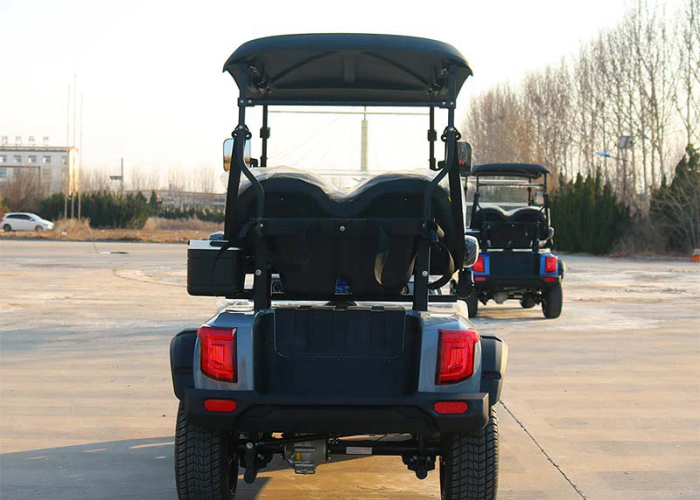
Define what counts as a spare and what job each spare protects
Not every extra cart is a true reserve unit. Some carts are overflow shuttles for event days, some are seasonal flex units, and some are emergency substitutes for a specific route-critical model. A rotation plan should begin by naming the role of each standby cart and the active units it is meant to cover. That prevents a small reserve fleet from being consumed by casual errands until the day a real failure occurs. If one spare protects guest transport while another protects facilities work, those roles should be marked on the cart and on the dispatch board so nobody assumes any reserve unit can replace any route instantly.
Role definition also helps with matching the right body style to the right backup need. A standby unit meant to substitute for a daily route should resemble the working cart it covers in seating, load logic, charging expectation, and visibility. A Carrinho de golfe com bateria de lítio VY-D2 or another compact reserve may be perfect for supervisor use but still be a poor substitute for a route that normally carries groups or equipment. Reserve planning becomes much stronger when the fleet writes role labels before it writes a charging roster.
A practical spare definition should include a release trigger as well. Does the reserve come into service only after a breakdown, or can it cover scheduled maintenance, event peaks, or weather reroutes? The more clearly those triggers are defined, the less likely it is that a standby unit will be pulled randomly and returned without charge records or post-use inspection.
| Reserve type | What the rotation plan should specify |
| Route-critical spare | Which active cart or route it protects and how quickly it must be deployable. |
| Peak-season overflow | Which weeks or events justify activation and what charging pattern supports them. |
| Maintenance loaner | Who signs it out and how it is inspected before returning to reserve status. |
| Special-role backup | Whether the spare matches cargo, passenger, or accessibility needs of the original route. |
Rotate reserve carts often enough to protect battery and driver confidence
A spare-unit rotation plan should set a defined interval for active use, not just a reminder to check charge occasionally. Even a short controlled route every few weeks can reveal whether the cart still brakes predictably, charges correctly, steers cleanly, and fits the route it is supposed to protect. That interval will vary by site, but the rule should be written and visible. A reserve cart that never leaves the row is slowly becoming an unknown quantity, and unknown equipment rarely feels reassuring during a peak-season morning.
Battery health is a major reason for scheduled rotation. Both lithium and lead-acid systems can suffer when a site relies on informal habits such as top it off when someone remembers or leave it full all month because it might be needed tomorrow. General charging references from Battery University charging overview and broader EV readiness context from U.S. Department of Energy EV and charger overview support a more deliberate approach: assign state-of-charge targets, review charger completion records, and make sure reserve units experience normal operating cycles often enough that problems surface before an emergency deployment.
Driver familiarity matters too. A spare cart should not feel like a mystery machine when it finally leaves reserve status. Supervisors should know where its controls differ, where its charger lives, and how it behaves under real load. That is why some fleets intentionally rotate reserve units into light-duty roles rather than leaving them untouched. When the plan is visible, the spare protects uptime and training at the same time.
Pair reserve carts with clear charger assignments and storage labels
Reserve rows fail when labels fail. Every standby cart should have a visible identity, a storage position, a charger assignment, a last-used date, and a next-review date. If a spare uses the wrong charger because the original label fell off or because staff moved cables during a busy week, the fleet has introduced risk into the very asset meant to reduce uncertainty. Charging discipline from NFPA electric vehicle safety resources is a helpful reminder that battery readiness depends on predictable infrastructure behavior, not only on whether a cart is physically parked indoors.
Storage labels should also tell staff what not to do. A spare bay should not become overflow storage for signs, luggage, maintenance bins, or personal gear simply because the cart is not being used today. The more clutter that accumulates around the reserve row, the less likely it is that anyone will inspect tires, notice charger issues, or retrieve the cart quickly during a dispatch problem. Internal planning references such as Solução de carrinho de golfe help frame the broader fleet layout, but the local label on the cart is what shapes daily behavior.
Charger assignment should be audited after every peak period. Event weeks, storms, or maintenance crunches often cause staff to borrow cables, move units, and skip recordkeeping. A short post-event check keeps the reserve system honest and prevents the quiet drift that turns one backup cart into a permanent orphan at the far end of the storage row.
Use standby records to decide when a spare should become an active unit
Reserve records should include more than battery percentage. A useful log notes date, state of charge, light-duty test use, route covered, issues found, charger used, tire condition, cleaning status, and who returned the cart to reserve. Once those notes exist, the fleet can see whether a standby unit keeps solving real problems or whether it is serving as a hidden primary cart for a route that actually needs permanent capacity. Public safety context from NHTSA TireWise safety guidance and passenger-route discipline from CPSC golf cart and LSV safety guide reinforce why that distinction matters: a backup used constantly should be maintained and staffed like a front-line asset.
These records also shape procurement timing. If the same reserve cart is repeatedly activated for the same weekly pressure point, the site may not truly have a spare problem at all. It may have a fleet-sizing or route-design problem. That insight is valuable because it turns emotional requests for one more cart into evidence-based decisions grounded in actual dispatch behavior. Supply planning references from NIST supply chain management guidance and warranty thinking from FTC warranty guidance can help managers frame that next step more rigorously.
A backup row should therefore be reviewed not only for readiness but also for utilization pattern. Which cart covered outages? Which one handled special events? Which standby unit returned with the same small issue three times in a row? That pattern can justify service work, a role reassignment, or a stronger case for buying a new primary unit instead of overworking the reserve pool.
| Reserve log item | Management question it helps answer |
| Last activation date | Is the spare staying ready or sitting unknown for too long? |
| Reason for activation | Was it a true breakdown, a peak load, or routine under-capacity? |
| State of charge on release | Did the charging process actually support backup readiness? |
| Issue found on return | Should the spare remain reserve, enter service, or move to maintenance? |
Connect reserve rotation to seasonal peaks and replacement planning
Peak periods should reshape the reserve calendar before they arrive. Summer weekends, admissions events, festivals, outage-prone weather windows, and maintenance shutdowns all change what backup means. A cart that is a true spare in February may be part of the working fleet in August. Seasonal planning works best when managers decide that in advance and adjust charger access, parking order, and review frequency. Broader operational context from Alternative Fuels Data Center electric-vehicle overview and incident-readiness thinking from CDC motor vehicle safety resources support the idea that resilience is built before the peak, not during the first crisis call.
Replacement planning should include the reserve pool as well. Some sites keep an aging cart as the official spare long after it stopped being a trustworthy backup. That choice feels economical until the cart is needed urgently and introduces its own fault. Internal product references such as VY-D4 Motorized Golf Cart and customer-support paths like Contact Longshengtai become more useful when the manager can explain exactly how the current reserve row is aging, how often it is activated, and which route it can no longer cover confidently.
A strong spare-unit rotation plan makes future buying calmer. It tells the fleet which standby cart is still healthy, which one is overused, and which route pressures are actually permanent. That is the difference between owning extra carts and owning a real backup system.

Video reference
The video below gives visual context for fleet carts, reserve handling, and charging routines. Use it as a discussion aid, then adapt the final rotation plan to your own route demands, battery type, and seasonal peaks.
Questions buyers often ask
How often should a reserve golf cart be used?
The interval depends on fleet size and battery system, but the key is that the cycle should be written and consistent enough to reveal charger, brake, tire, and control issues before the cart is needed urgently.
Can one spare protect several different route types?
Sometimes, but only if the cart really fits those roles in seating, load handling, charger match, and route geometry. A vague all-purpose spare is often less useful than it looks on a fleet list.
What is the biggest mistake in backup fleet management?
The biggest mistake is assuming a parked cart stays ready by default. Without active rotation, charger discipline, and clear records, a reserve unit quietly becomes harder to trust.
Backup readiness comes from routine, not luck
A reserve electric golf cart should feel predictable on the day it is needed, and predictability comes from rotation, labeling, charger discipline, and visible records.
When the fleet defines what each spare protects and activates those units on a controlled schedule, battery health and driver confidence are both easier to protect.
That same record also improves purchasing decisions because managers can see whether they truly need another backup, a replacement primary cart, or a cleaner dispatch plan.
In practice, the strongest backup fleet is the one that never becomes a surprise to the people who depend on it.