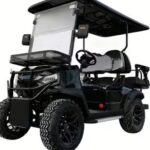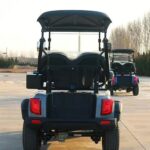
Ride comfort should be reviewed as a route standard, not a showroom impression
Electric golf cart ride comfort matters because the cart is often part of the guest experience, not just a way to move from one place to another. A hard step-in, a noisy roof, or a choppy ride over patched pavement can change how passengers judge the whole property. Buyers choosing between Carrito de golf eléctrico clásico and D Type Electric Golf Cart models should therefore ask how seats, tires, suspension feel, and boarding behavior work together on the real route rather than assuming comfort comes automatically with a cleaner-looking body.
Comfort also affects usability. Older passengers, children, and guests carrying bags notice whether they can board calmly, place their feet naturally, and stay stable when the cart stops or crosses rough joints. A compact layout such as Carro de golf VY-A4 de 4 plazas may be ideal on one route and too tight on another depending on boarding frequency and passenger mix. Mobility guidance from ADA mobility device guidance is useful because it frames comfort as part of real access rather than as a decorative upgrade.
A practical comfort checklist should help buyers compare boarding, seat posture, route surface, weather exposure, and maintenance habits before the first order is placed. Public safety material from CPSC golf cart and LSV safety guide supports the same idea: predictable passenger movement depends on both the vehicle and the environment around it.

Start with boarding, seat posture, and foot space
Ride comfort begins before the cart moves. Check whether passengers can step in without twisting, whether the seat height feels natural, whether handholds are easy to reach, and whether taller riders can sit without knees or bags crowding the front area. Tire guidance from NHTSA TireWise safety guidance is not about seating itself, but it reminds buyers that comfort always depends on how the cart meets the route rather than on cushions alone.
Boarding should also be observed under real behavior. Guests may board from one side only, may carry small bags, or may pause longer at a busy stop than they would in a controlled demo. A route that feels acceptable in an empty yard can feel awkward once several people board quickly or when a driver must stop near a curb cut. Broader transport-safety resources from CDC motor vehicle safety resources reinforce the value of observing how people actually enter and settle into the cart.
These observations belong in the buying file. If the cart serves villas, hotels, event routes, or campus pickups, note where passengers hesitate, whether the step feels high, and how much room remains after bags are placed. That record is far more useful than a simple comment that the seat looked comfortable at first glance.
| Comfort checkpoint | What to observe |
| Step-in height | Whether riders can board calmly without climbing or twisting. |
| Seat support | Whether passengers stay settled during repeated stops and longer loops. |
| Foot and knee room | Whether bags or body panels crowd the natural sitting position. |
| Handhold placement | Whether riders can stabilize themselves during boarding and turns. |
Compare route surface and body layout together
Ride comfort changes dramatically with the surface. Smooth resort roads, patched campus lanes, pavers, curb transitions, and gravel edges all transmit movement differently into the seat base and passenger body. Buyers should therefore test the roughest route segment, not only the smoothest stretch. That is especially important when a practical passenger body such as VY-C4 Four Passenger Golf Cart must serve both guest-facing and service-facing areas.
The expected service level matters too. A scenic shuttle where passengers relax and look around will be judged differently from a short transfer between storage and reception. Background from golf cart background is not a comfort manual, but it is a useful reminder that golf carts were adapted into many roles that place different expectations on suspension response, pace, and passenger posture.
The specification file should therefore note route length, worst-surface condition, and whether the cart is meant for premium guest transfers or practical internal transport. Consumer guidance from FTC warranty guidance is helpful background because it encourages buyers to describe those expectations clearly in writing instead of assuming everyone defines a comfortable ride the same way.
Review suspension, tire setup, and maintenance as one system
Passengers feel the combined effect of seat foam, suspension movement, tire pressure, tread pattern, and driver speed. A soft seat cannot hide poor tire choice on broken pavement, and a good tire cannot fully correct a route that is always approached too quickly over joints and drains. The comfort review should therefore describe how the full system behaves instead of focusing on one premium-looking part.
Maintenance habits are part of that system. Loose seat hardware, tired bushings, underinflated tires, and worn floor mats can all make a cart feel older and rougher than it really is. Cleaner selection guidance from EPA Safer Choice program is relevant because guest-facing fleets often connect comfort perception with overall cleanliness and material condition.
Accessory choices should support comfort rather than compete with it. Roof coverage, windshield options, small storage changes, and added handles can all improve the passenger experience when chosen for the route. This is where Golf Cart Accessories helps the conversation, because buyers can ask which additions improve weather protection and convenience without reducing boarding space or creating new rattles.
| Comfort input | Why it matters on route |
| Tire pressure and tread | Changes vibration, steering feel, and compliance over joints. |
| Seat condition | Affects fatigue during repeated guest transfers. |
| Suspension wear | Loose parts create uncontrolled body movement and noise. |
| Accessory fit | Poorly fitted extras reduce space or add rattles and drafts. |
Plan for weather, noise, and route interruptions
Comfort is not only about bumps. Wind, glare, sudden rain, and route noise can all turn a short trip into an unpleasant one. Drivers should know when lightning or low visibility should pause the route rather than pushing through discomfort that can quickly become a safety issue. Weather guidance from National Weather Service lightning safety guidance reinforces the need to define operating cutoffs before exposed evening service begins.
Wet pavement and drainage issues also affect comfort because drivers slow, steer differently, and may stop more abruptly when they lose confidence in the surface. Flood-safety material from National Weather Service flood safety guidance supports the same operational habit of treating weather as a route variable rather than as a surprise after delivery.
Noise deserves its own note as well. Roof rattles, loose bags, windshield vibration, or seat squeaks can make a cart feel low quality even when the powertrain is quiet. A comfort checklist should therefore include a short listening test on the roughest route segment so the buying decision reflects the full passenger impression.
Use comfort findings to define the right specification
The best comfort review is the one that produces a better specification. If passengers need an easier step-in, say so. If the route needs smoother response over pavers, note that in the request. If the cart must serve both premium guest transfers and practical support work, decide whether one compromise model is acceptable or whether the property should split those duties. Standards context from ANSI standards overview is useful because precise requirements always lead to better equipment decisions.
A useful request sent through Solicite una cotización should include route length, roughest surface, passenger profile, boarding frequency, weather exposure, and any comfort complaints from current carts. Those details allow the supplier to recommend seat layout, tire style, and optional equipment with much more discipline than a generic request for a smooth ride.
This approach also improves driver training. Once the comfort standard is defined, operators can be told which speed, stop style, and boarding behavior protect the intended experience. Passenger comfort then becomes a service standard rather than a matter of personal driving habit.
Keep comfort records after delivery so the fleet keeps improving
After delivery, route supervisors should keep short notes on which loops feel harsh, which passengers struggle with boarding, and whether tire or seat maintenance changes the experience noticeably. Those notes are more valuable than casual opinions because they tie comfort to route location, time of day, and specific vehicle identity.
A clean support path matters here as well. If the property later needs a seating revision, tire change, or weather-protection update, the conversation through Contact Longshengtai is much easier when the issue is described as a route observation instead of as a vague complaint that the cart feels rough.
Comfort also shapes brand perception. A cart that feels calm, easy to board, and well controlled helps guests trust the service and helps staff use the fleet with less fatigue. Product and component references from UL Standards and Engagement do not replace route testing, but they reinforce the value of choosing configurations that stay coherent over the life of the fleet.

Video reference
The video below offers visual context for passenger seating and body layout. Use it as a prompt for the route review, then confirm comfort with your own boarding, surface, and weather conditions before final approval.
Questions buyers often ask
What is the biggest comfort mistake buyers make?
They judge comfort during a short smooth demo instead of checking the roughest route segment, the busiest boarding point, and the real passenger mix. Comfort issues usually appear in those conditions first.
Can accessories improve comfort enough to fix a poor route fit?
Accessories can help with weather protection and convenience, but they cannot fully correct a body layout or tire setup that is wrong for the route. The route and passenger role still need to be matched properly at the buying stage.
What should be documented in a comfort review?
Document boarding ease, seat posture, rough-surface behavior, noise, weather exposure, passenger profile, and the places where drivers must slow or change line to keep riders comfortable.
Comfort should be specified, tested, and maintained
A comfortable electric golf cart feels easy to board, calm over the route, and consistent across weather and shift changes. That result comes from matching seats, tires, suspension feel, and operating habits to the real property rather than relying on appearance alone.
It also makes fleet management easier because comfort complaints often reveal route or maintenance issues before more visible failures appear. A seat that suddenly feels harsher, a roof that starts rattling, or a boarding step that guests avoid can all signal that the cart is drifting away from the service standard the property intended to provide.
For buyer-facing properties, comfort becomes part of brand discipline. Guests remember whether the transfer felt rushed, noisy, or awkward to board, and staff remember whether the cart felt tiring by the end of a long shift. A simple comfort record turns those impressions into evidence the fleet team can act on instead of leaving them as isolated complaints.
That record is especially useful during seasonal changes. Heat, rain, different tire pressures, and changing passenger traffic can make a cart feel noticeably different even when nothing obvious has failed. If those changes are written down early, the team can respond with maintenance or route adjustments before comfort problems become part of the guest experience.
Comfort reviews also make procurement discussions more precise. Instead of saying the old fleet feels rough, managers can explain that passengers brace on a certain route segment, that boarding slows near a specific curb, or that one tire setup creates more chatter than another. Those details help the next buying decision stay practical and evidence-based.
They also give drivers a clearer service target. When operators understand that a comfortable route means smoother starts, cleaner cornering, and more patient boarding, the vehicle specification and the daily driving style reinforce each other instead of working in opposite directions.
That shared target keeps service quality easier to maintain.
It also reduces avoidable guest complaints and service friction.
When buyers record comfort clearly before ordering and keep reviewing it after delivery, the fleet becomes easier to operate, easier to maintain, and more convincing for the people who ride in it every day.